Translating Complex Biotech Innovation into an Investor-Ready Deck

Biotech Innovation Presentation

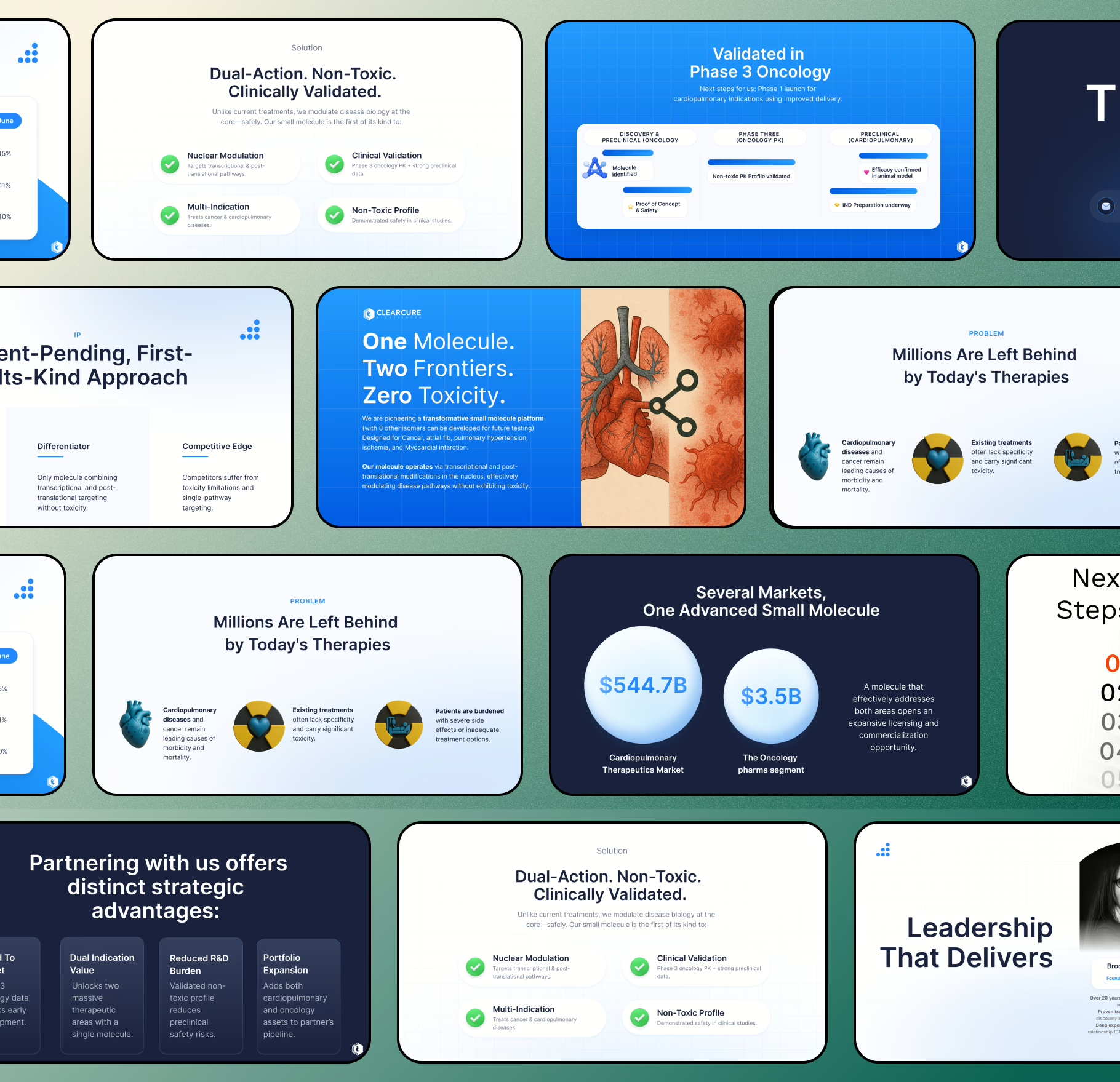
Biotech decks fail when they’re too scientific for investors and too shallow for experts. This one had to strike the balance. The brief A clinical-stage biotech company developing a multi-application therapeutic molecule needed an investor presentation for venture capital and strategic pharma partners. The science was strong. The story needed clarity. What I built Every … Read more

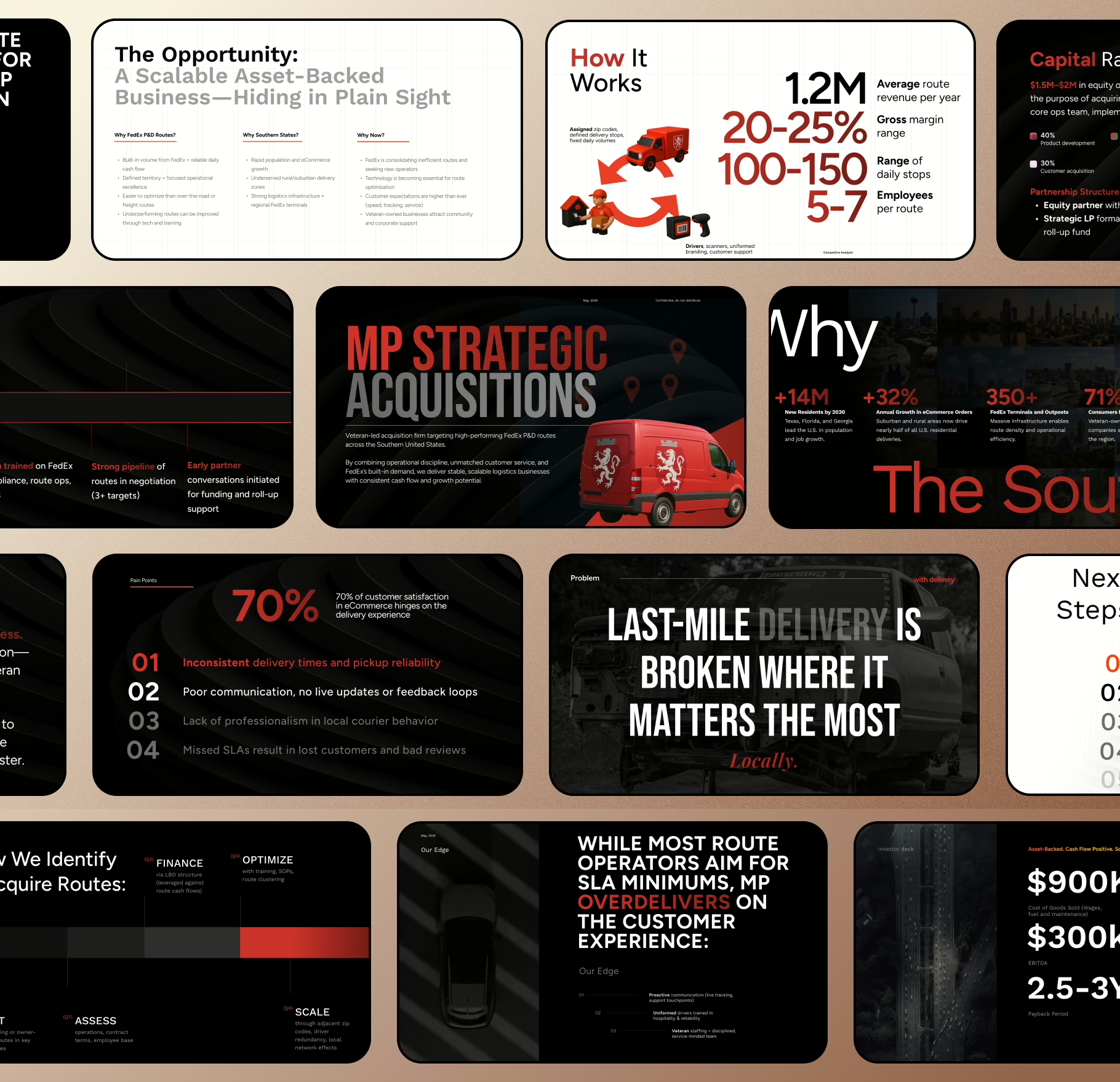
Turning a Logistics Roll-Up Strategy into a Fundable Investor Deck

Last Mile Delivery pitch deck case study

Logistics investors care about one thing:cash flow and scalability. This deck was built to present a last-mile delivery acquisition and scaling strategy to investors and partners. The brief A logistics operator building a roll-up of delivery routes and regional operations needed a pitch deck for capital partners.The positioning had to feel asset-backed, operationally credible, and … Read more

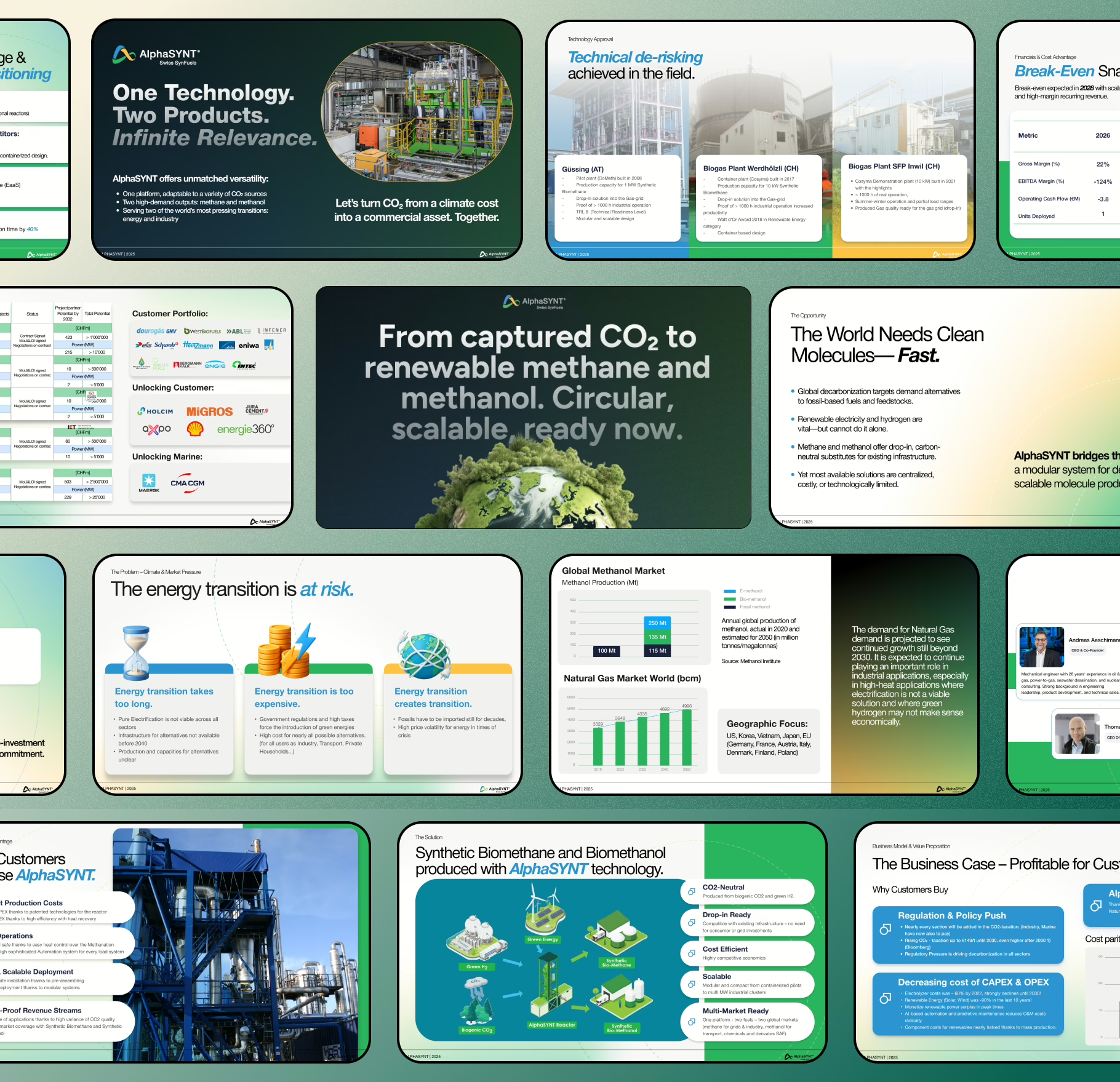
Designing a Climate & Energy Transition Pitch Deck Investors Take Seriously

Climate tech investors don’t fund ideas, they fund infrastructure, credibility, and execution. This project focused on turning a highly technical carbon-to-fuel technology into a clear, fundable story. The brief A climate technology company converting CO₂ into renewable methane and methanol needed a pitch deck for investors and strategic partners.The challenge: simplify deep technical infrastructure into … Read more

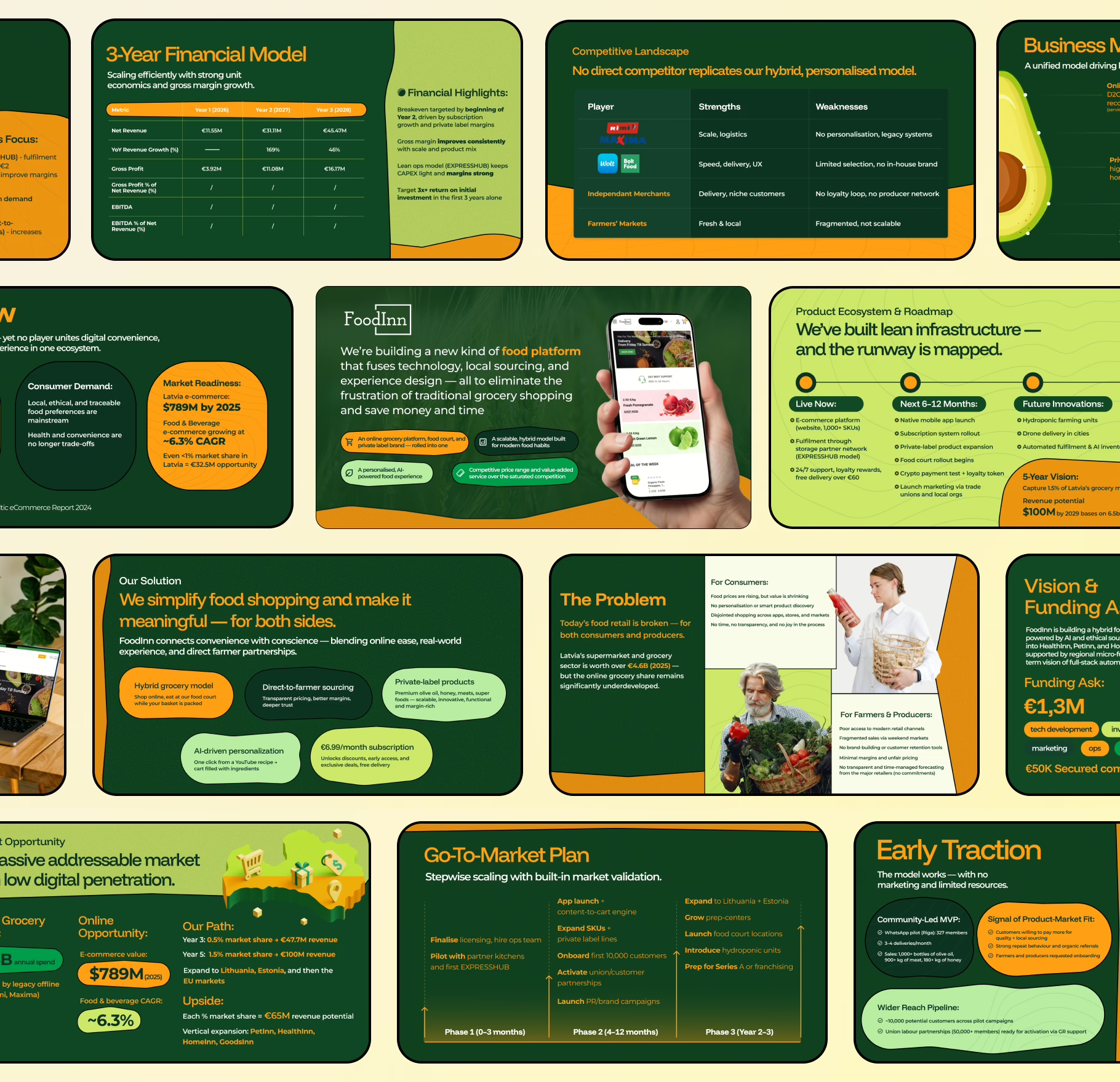
FoodTech Startup Pitch Deck Case Study (Uber Eats Competitor)

Uber Eats Like Food Ordering Platform

Food delivery is crowded. Grocery is fragmented. Investors know this — so a food startup deck must show more than just a nice app. It needs to show a scalable machine. That’s where this project came in. The brief A food-tech startup building a hybrid grocery, delivery, and local sourcing platform needed a pitch deck … Read more

5 Types of Pitch Decks And How To Choose The Right One

pitch deck types

A pitch deck isn’t “a deck.” It’s a decision surface—a compressed view of a business idea that lets a specific evaluator decide what happens next. When people call a deck “weak,” they usually mean “it doesn’t match the evaluation context,” not that the slides are ugly. This is why different types of business pitches matter. … Read more

Pitch Deck vs Pitch Book: Investor Guide to Key Differences

pitch deck vs pitch book

Choosing between a pitch deck vs pitchbook matters because each format reflects a different evaluation environment. One is built for fast pattern recognition (people scanning for the “shape” of a story). The other is built for documentation (people checking assumptions, numbers, and deal logic).  A pitch deck is a short, story-driven investor presentation—a visual presentation … Read more

How Much Does An Investor Ready Pitch Deck Cost?

How much does a pitch deck cost

Pitch deck cost refers to the total cost of creating a pitch deck (the full deck, not just “nice slides”) that communicates a business opportunity clearly in a decision environment. That includes pitch deck design, story and structure work, visual hierarchy, and revisions—everything required for a professional pitch deck that holds together when a potential … Read more

Reasons Why Investors Say No to Your Startup

reasons why investors say no

When an investor says “no,” it rarely means your startup is worthless. It usually means: “given my fund, my thesis, my portfolio, and the risks I’m paid to absorb, I can’t justify an investment right now.” That distinction matters, because founders hear a moral judgment where the investor is making a portfolio decision.  A rejection … Read more

The 10 20 30 Rule in Pitch Decks By Guy Kawasaki

10 20 30 rule in pitch decks

The 10-20-30 Rule — popularized by Guy Kawasaki — offers a framing shortcut for pitch presentations under pressure. It proposes a format of 10 slides, delivered in 20 minutes, using 30-point font. Originally crafted for venture pitch contexts, it has since become a design philosophy for any scenario where cognitive load and time constraints matter. … Read more

Asset & Fund Capital Evaluation: How Institutional Capital Assesses Allocation Risk

Institutional capital evaluates asset and fund vehicles through an allocation lens, not a narrative one. This page explains how allocators, investment committees, and fiduciaries assess eligibility, diversification integrity, and portfolio fit within asset and fund capital structures. It applies the universal capital decision logic established in Hub 1, without redefining it. This is not execution … Read more