


You know the drill: you find the deal, negotiate hard, maybe even assign it—but when it comes time to pitch investors for real capital, your deck doesn’t always hit. It’s not because the opportunity lacks; it’s usually because the narrative or structure does.
Sup. I’m Viktor, a presentation expert, pitch deck expert, and burger lover. For the past 13 years I’ve helped clients raise millions, and win deals, funding and campaigns, with my unique approach to developing presentations. I’m sharing that approach in this pitch deck template guide.
This isn’t just another template. It’s based on actual decks that have helped clients raise millions. Every slide here is battle-tested: from describing the pain of distressed properties, to your turnaround process, your business model, competitive advantages, financials—and how investors get paid.
If you’re adjusting your wholesalers game, trying to scale, or courting LPs instead of just private buyers, this template gives you the framework to make your case—and get that capital.
Fresh Case Study: Check out how we helped Cranwood Enterprises build a pitch deck for their senior living luxury real estate venture.
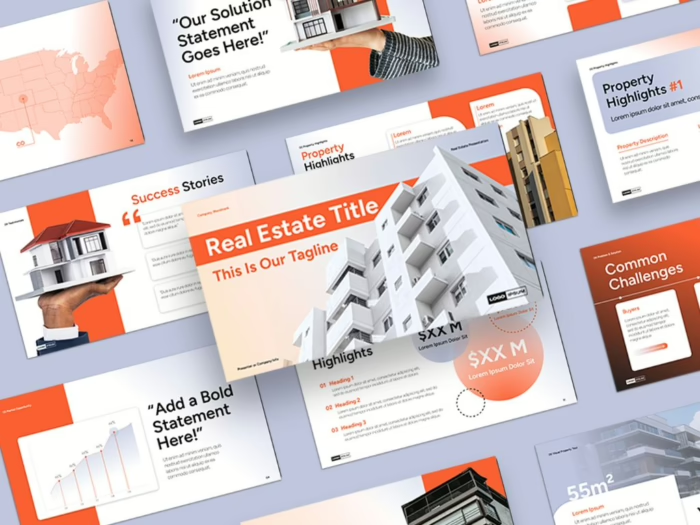
Here’s the 12-slide real estate template that’s helped raise $500M+:
- Built by a certified real estate pitch deck expert
- Investor-ready design, plug-and-play content.
Fully editable Powerpoint and Google Slides files. Get it while it’s available for a promo price of just $44.
12 Slide Real Estate Wholesaling Pitch Deck Template
Title Slide
- Company Name: Clearly display the name of your company.
- Logo: Your company’s logo should be prominent, aiding in brand recognition.
- Presenter’s Name and Contact Information: Include the name, position, and contact details of the person presenting the pitch deck. This ensures that interested parties know who to contact for more details.
- Date: The date of the presentation to reference when the pitch was made.
- Background Image: Consider a subtle background image that relates to real estate to make the slide visually appealing.
Problem Statement
- Identify Problems: Begin with a statement that identifies key challenges in the real estate market, such as difficulties in finding below-market value properties or the inefficiencies sellers face in offloading distressed properties quickly.
- Data and Examples: Support your problem statement with statistics, such as the average time distressed properties remain on the market or financial losses that sellers might face. Include a brief real-life example or a testimonial to make the problem relatable.
- Visuals: Use a graph or infographic to depict the problem, making the data easily digestible and impactful.
Solution Slide
- Your Solution: Explain how your business provides a streamlined solution to these problems. For example, your company facilitates quick property turnovers by connecting sellers of distressed properties directly with a network of interested buyers.
- Key Benefits: Highlight the benefits such as speed, convenience, and profitability for both buyers and sellers.
- Visual Aid: Include a simple flowchart or diagram that outlines your business process from acquisition to sale, demonstrating the efficiency of your solution.
Market Opportunity
- Market Size and Growth: Present data on the size of the real estate market relevant to wholesaling, focusing on trends that suggest growth, such as increasing demand for quick real estate transactions or a rise in distressed property sales.
- Target Market: Define your target market with specifics—perhaps focusing on a geographical area or a particular segment of the real estate market (like commercial or residential distressed properties).
- Charts and Maps: Use a pie chart to show market segmentation and a map to highlight key areas of operation or significant market opportunities.
Business Model
- Operational Flow: Describe how your business operates on a day-to-day basis. For example, how you source properties, assess their value, and then connect to buyers.
- Key Activities: Detail the core activities that drive your business, such as market analysis, networking with property owners, and negotiations.
- Illustration: A process infographic or series of icons can effectively communicate the stages of your business model, making the operations easy to understand at a glance.
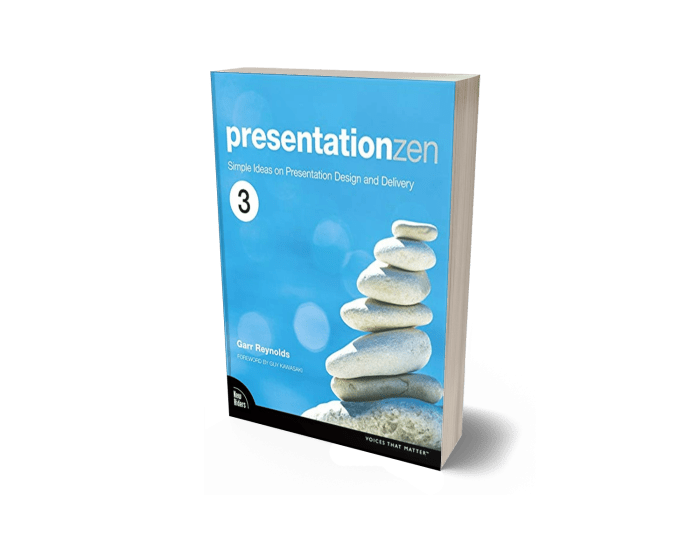
Hold on. You might want to check my list on the best presentation and communication books...
These are crucial books that will help you improve the design and structure of your decks and presentations, besides improving your delivery and skyrocketing your confidence when facing investors. Check them out below.
Revenue Model
- Earning Mechanics: Explain how you earn money, such as fees per transaction, membership fees for access to your property database, or commissions.
- Average Deal Size: Provide an average deal size based on past transactions to give potential investors a concrete sense of potential earnings.
- Projection Graphs: Include a bar graph or line chart showing projected revenue over the next few years, illustrating growth based on past performance and market analysis.
Competitive Analysis
- Market Landscape: Start with an overview of the current market landscape. Highlight the main competitors, both direct (other wholesalers) and indirect (traditional real estate agencies, online property platforms).
- Competitive Edge: Clearly articulate your unique selling points that differentiate you from these competitors. This could include faster transaction times, a more extensive network of buyers, superior technology for property evaluation, or better pricing strategies.
- Visual Comparison: Utilize a table or matrix to compare your services directly with those of key competitors, focusing on features like speed, pricing, reach, and technology. This visual will help illustrate your competitive advantage in a clear and concise manner.
Marketing and Sales Strategy
- Marketing Channels: Outline the channels through which you will reach your target audience, such as online marketing (SEO, PPC), social media, real estate expos, or networking events.
- Sales Tactics: Describe your sales process. For instance, how you engage with potential sellers or buyers, the follow-up process, and any customer relationship management practices.
- Growth Strategy: Include your strategy for scaling up operations, such as expanding to new regions or enhancing digital marketing efforts.
- Visuals: Graphs or flowcharts can be effective here to show the marketing funnel from awareness to decision, highlighting where your strategies will focus.
Technology Use
- Proprietary Tools: If applicable, showcase any proprietary technology or software that gives your business a competitive edge, like an automated valuation model or a custom CRM system.
- Operational Efficiency: Explain how technology improves your operational efficiency, reduces errors, and speeds up transaction times.
- Future Innovations: Briefly touch on future technological improvements or implementations planned for enhancing your business operations.
- Screenshots/Diagrams: Use screenshots of your technology in action or diagrams that explain how the technology works within your business framework.
Team
- Key Personnel: Introduce your core team members, highlighting their roles, expertise, and how their background contributes to the success of the business. Include the founders, key management, and advisors.
- Experience and Achievements: Provide a brief overview of each member’s previous achievements or roles that are relevant to your business and the real estate market.
- Photos and Bios: Include professional photos and brief bios. This humanizes your presentation and helps build trust with potential investors.
Financial Projections
- Revenue and Profit Margins: Show detailed projections for revenue, cost of sales, and profit margins over the next 3-5 years.
- Break-even Analysis: Include a break-even analysis to show when you expect to become profitable.
- Key Assumptions: Clearly state the assumptions underlying your financial projections, such as market growth rates, deal frequency, or average deal size.
- Charts and Graphs: Use line charts for revenue growth and bar graphs for expense vs. profit analysis to visually communicate financial health and projections.
Closing Slide
- Summary: Concisely summarize the key points from your presentation, emphasizing the investment opportunity and the potential for returns.
- Call to Action: End with a strong call to action, such as inviting investors to discuss the opportunity in detail or to join a follow-up meeting.
- Contact Information: Provide all necessary contact information, including email, phone number, and website, ensuring it’s easy for potential investors to reach you.
- Thank You: A simple thank you can go a long way in showing your appreciation for the audience’s time and consideration.
Pick a specific pitch deck design from the award winning Envato.
1000’s of ready made Powerpoint, Google Slides, and Keynote presentations that are easy to edit, format and tailor to your idea.

Last Words
You now have a 12‑slide blueprint for wholesaling that’s built not on theory, but on decks that delivered real funding.
If it fits what you’re doing, great — use it, adapt it, amplify it. If your model has unique quirks (geography, deal structure, partnership style), I’m here to help customize it so your pitch matches your vision and maximizes your raise.
Get an investor ready pitch deck that gets you funded and saves over 30 hours of your time.
Join 100s of successful entrepreneurs who’ve transformed their pitch decks by using my hands-off approach, which includes: market research, copy, design, financials, narrative and strategy.
1 week turnaround time and less. Special pricing for early stage companies.
The least you will get on this call is 10 actionable tips & strategies to own that next pitch, worth $599, for free.
If you want to really dive into the world of pitch decks, check out our complete collection of pitch deck templates.
Related Real Estate Pitch Deck Templates
Check out our massive directory of real estate pitch deck templates. Some of them:
Venn Raises $52M to Turn Apartment Buildings Into Consumer Brands
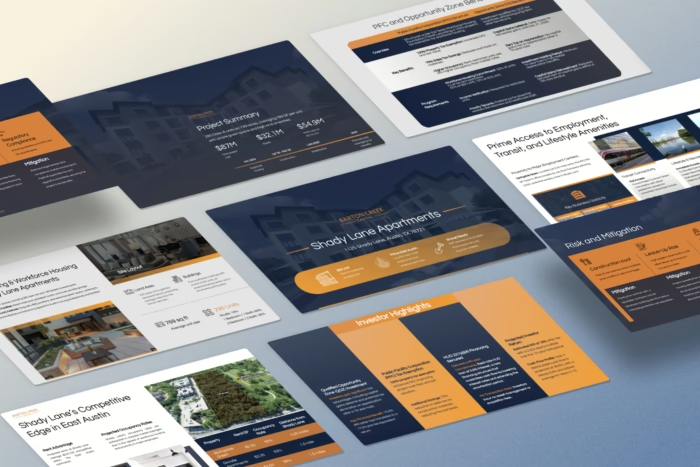
290 Unit Residential Real Estate Pitch Deck Case Study

The 12 Slide Community Living Pitch Deck Template

Raise $10mil With This Land Development Pitch Deck Template

Investment Fund Pitch Deck Guide (2026): How LPs Evaluate Capital Allocation
Inside the $5M Pitch Deck Fixing the Broken Home Services Model
Booking a plumber shouldn’t feel like a leap of faith—and yet, the home services industry…

This Deck Raised $10M for an Immersive Local Adventure — See the Template
You’ve got a creative idea for an immersive neighborhood adventure — maybe a live‑role mystery,…
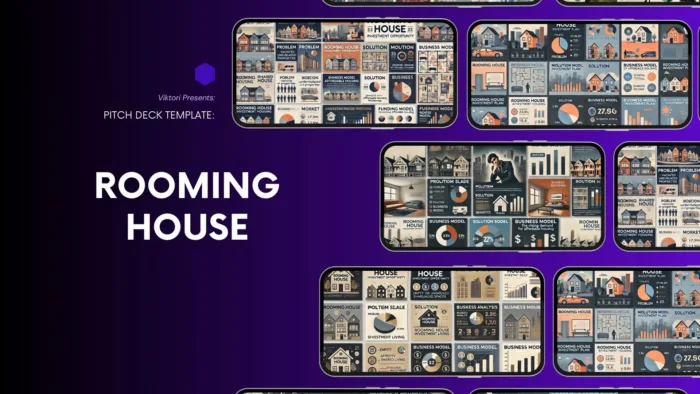
£1.85M Equity Raise With This Rooming House Pitch Deck Template
Ever walked into a rooming house and thought, “I could make this place a goldmine”?…

The Pitch Deck Powering a $5M Raise in PropTech
Let’s face it—managing real estate today is like trying to run a marathon in flip-flops….

The Deck That Helped Platforms Like “Shopify for Real Estate” Raise Capital
You have the vision: a platform that lets real estate brokerages operate like an online…
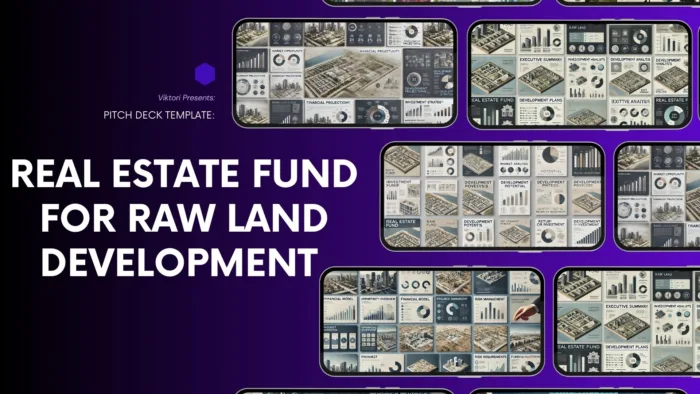
Raising $10M With a Raw Land Development Pitch Deck
Raw land might look like empty dirt to some—but to smart investors, it’s pure potential….

Inside the $12M Pitch Deck Revitalizing Louisville’s Retail Core
Strip malls are dying—but neighborhood retail isn’t. The next wave of shopping centers blends convenience,…
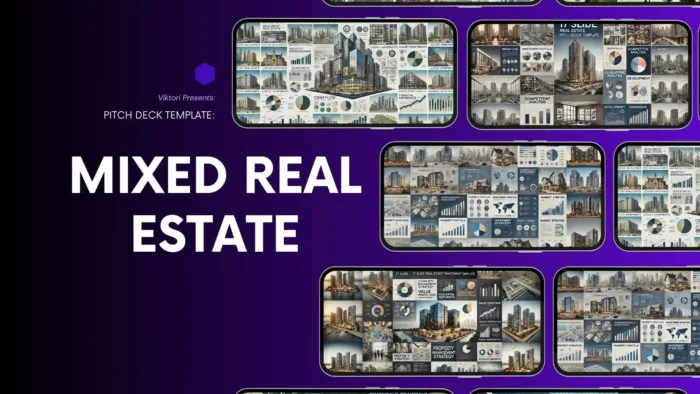
The $25M Deck Behind a High-Yield Urban Mixed-Use Strategy
Mixed-use assets are back in favor—and smart capital knows it. As urban cores densify and…

Pitch Deck That Helps Raise $50M for a Multi‑Family Project
Multi-family real estate is one of the most resilient, scalable, and investor-loved asset classes—but raising…

Houston, Meet Your Next Austin Opportunity: Deck Built to Raise $20M
Let’s be real—Austin isn’t just booming; it’s reinventing itself as America’s fastest-growing real estate frontier….

Inside the $50M Hotel Pitch Deck That Blends Luxury & Sustainability
Hotels aren’t just buildings. They’re experiences waiting to be written in stone, steel, and service….
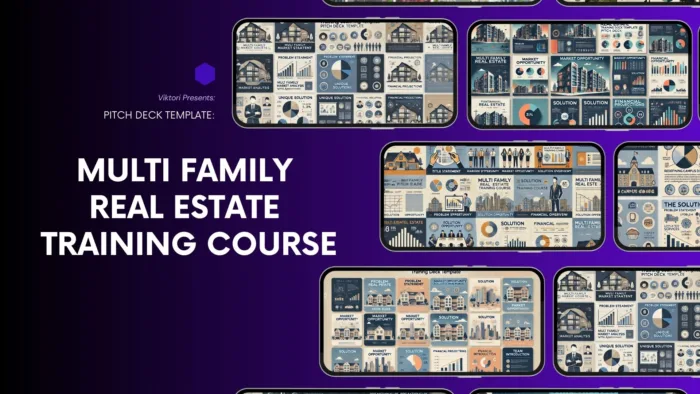
Real Estate Training Course Pitch Deck Template
Let’s get straight to the point: You’re ready to dive into the multifamily real estate…

How to Raise $20M for Nicosia Real Estate—Slide by Slide
So, you’re eyeing the Cyprus real estate market—Nicosia, villas, commercial, maybe industrial—and you know there’s…

The $15M Fix-and-Flip Fund Deck Investors Actually Paid Attention To
You love flipping houses. You see the opportunity in worn‑down walls, weathered facades, and properties…
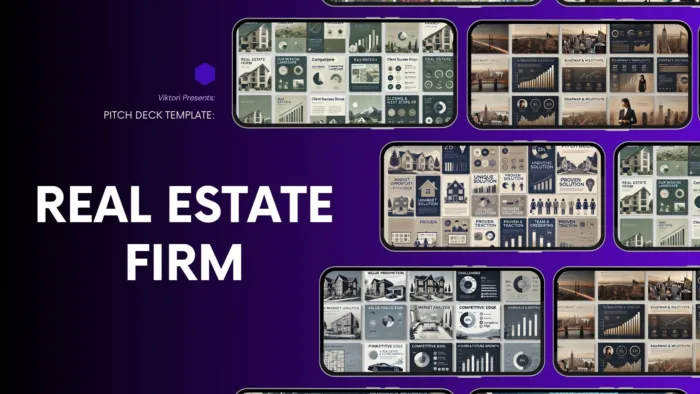
This Real Estate Pitch Deck Template Helps Land $15M in Capital
Let’s be honest—most real estate firm pitch decks either drown investors in detail or leave…
Looking for a step by step guide to build a real estate pitch deck?
Check out our in-depth real estate pitch deck guide. I’m a real estate pitch deck expert that can help you develop a deck for your project. Handsoff.
Check out some of the essential 101 guides:

Burn Rate and Runway in a Pitch Deck: How to Show Investors Survival Math
Burn rate is where a pitch deck stops being brave and starts being accountable. Up…

Financial Projection Slide: How to Show Investors the Numbers Behind the Story
A financial projection slide shows investors how your business could grow over time. It usually…

Revenue Model Slide: How to Show Investors How You Make Money
A revenue model slide explains how your business makes money. That sounds simple, but this…

Use of Funds Slide: How to Show Investors Where the Money Goes
Use Of Funds Slide Quick Summary A use of funds slide explains how the capital…

Top Pitch Deck Design Agencies for Investor-Ready Presentations
Quick Summary A pitch deck design agency helps startups turn complex business ideas into clear,…

How to Create a High-Impact Investment Highlights Slide For Your Pitch Deck
An investment highlights slide is often the moment in a pitch deck when investors decide…
