


You’ve seen it, heard about it, maybe even thought, “I could do that.” Real estate investments look great on paper but turn complex faster than a New York minute.
The truth is, making money in real estate takes more than cash flow charts and a “dream property” you saw online. It’s a whole strategy, with pitfalls, triumphs, and surprises at every turn.
I’m Viktor, a pitch deck designer and a creative business strategist. Over the past 13 years, I’ve helped businesses secure millions of $ in funding thanks to my approach and I’m sharing it here in this pitch deck guide.
For over a decade, I’ve been guiding investors from “What’s ROI?” to “Let’s close the deal,” and everything in between. This deck is your roadmap to the essentials of real estate investment—keeping it straightforward and steering you clear of rookie moves.
Let’s jump in, avoid the clichés, and get you the deck that does justice to your investment strategy.
Fresh Case Study: Check out how we helped Cranwood Enterprises build a pitch deck for their senior living luxury real estate venture.
Get My 12 Slide Framework That Got $500mil in Funding For Clients.
What do you think of having 12 dead simple formulas, that will help you craft 12 slides, in about 1 hour? That’s what you’ll get, when you download my 12 slide framework. Save hours crafting your pitch deck copy with my tested approach that includes:
- Elevator pitch one sentence formula
- Problem/ solution slide one sentence formula
- Competitor slide one sentence formula
- 9 other formulas, tips, tricks and advice
The formulas worked for 40+ industries and 500+ companies. Including the one you’re looking at now.
Clicking the link won’t charge you anything.
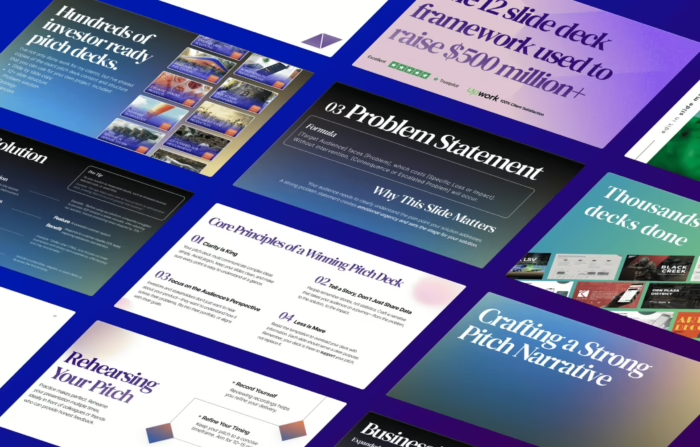
15 Slide Real Estate Investment Pitch Deck Template | Google Slides
The above is is just a simplified template.
Founders that are serious about getting the funding they need, opt in for a deck has industry specific content, superb narrative and award winning design like these ones below:


I can help you build that deck with my hands-off process in 7 days or less.
Book a free 30 minute call below if you’re serious about getting an investor ready deck, and we’ll discuss your needs in detail. I’ll help you design the deck, write the content, develop the narrative and flesh out the strategy with financials.


Follow us on social for the newest templates:
Title Slide
- Project Name: “Urban Oasis Residences”
- Logo: [Insert a professional, eye-catching logo that represents the project or your company.]
- Presenter’s Name and Contact Information: Jane Doe, Project Lead, [email protected], (123) 456-7890
- Date of Presentation: November 15, 2023
Purpose: The title slide sets the stage for your presentation. It should be designed to grab attention and make a memorable first impression. Ensure that your contact information is clear and accessible for follow-up conversations.
Executive Summary
- Overview: “Urban Oasis Residences is a cutting-edge, mixed-use development project situated in the heart of downtown Metropolis City. Offering luxury condominiums, retail spaces, and green communal areas, this project is designed to cater to the growing demand for sustainable and convenient urban living.”
- Investment Opportunity: “We are seeking an investment of $50 million to fund the next phase of development, which promises competitive returns based on our conservative financial projections. This is a unique opportunity to be part of a landmark project set to redefine urban living standards.”
- Purpose: The executive summary is a concise pitch of your project. It should encapsulate the essence of the opportunity and the key financial details. This is the hook that will pique the interest of your potential investors and encourage them to listen to the rest of your presentation.
Problem Statement
- Market Need: “Despite the economic growth in Metropolis City, there is a shortage of high-quality, sustainable housing that meets the needs of the modern urbanite. Current offerings are either low in quality or not integrated with essential amenities, leading to a gap in the market for upscale, eco-friendly living spaces.”
- Solution: “Urban Oasis Residences aims to fill this gap by providing a holistic living experience that combines luxury, convenience, and sustainability. Our development is strategically located to offer residents an unparalleled living experience while promoting a greener, more connected community.”
- Purpose: The problem statement should clearly articulate the issue that your project will solve. It’s important to demonstrate that you understand the market and have a solution that meets a specific demand. This section should resonate with the investors and make them see the potential for profitability and social impact.
Market Analysis
- Market Size and Growth: “Metropolis City’s real estate market has been growing at an annual rate of 7% over the past five years. With an influx of tech companies and a burgeoning population of young professionals, the demand for residential and mixed-use properties is expected to rise by 10% over the next decade.
- Target Market Demographics: “Our primary target market consists of young professionals aged 25-40, who are looking for sustainable living options that do not compromise on luxury or convenience. Secondary markets include small families and investors looking for lucrative rental properties.”
- Competitive Analysis: “While there are three other major residential projects in the vicinity, Urban Oasis Residences stands out due to its commitment to sustainability, its state-of-the-art amenities, and its prime location that offers easy access to public transportation, parks, and cultural hotspots.”
- Market Positioning: “Urban Oasis Residences will be positioned as a premier eco-friendly living space that offers modern amenities and a vibrant community lifestyle. Our competitive pricing strategy will ensure we remain attractive to our target demographic while maintaining healthy profit margins.”
- Purpose: The market analysis should provide data to support the viability of your project. It should demonstrate a deep understanding of the market dynamics, showcase the demand for your project, and explain how your project fits into the current and future market landscape.

Project Description
- Location Details: “Located in the thriving East Side district of Metropolis City, the Urban Oasis Residences offer easy access to major employment hubs, the downtown core, and the city’s most popular recreational areas.”
- Property Description: “The project will feature two 20-story towers with a total of 300 residential units, 20,000 square feet of retail space, and a rooftop garden. Each unit will be equipped with smart home technology and built with eco-friendly materials.”
- Project Stage: “Currently in the design and pre-construction phase, with all necessary zoning approvals in place. Groundbreaking is scheduled for Q2 2024, with a projected completion date of Q4 2026.”
- Vision and USPs: “Our vision is to create a blueprint for future developments that prioritize environmental sustainability without sacrificing luxury. Unique Selling Propositions include a 24-hour concierge service, an on-site wellness center, electric vehicle charging stations, and a community-focused living experience.”
- Purpose: This section is designed to give investors a clear picture of what you’re building, where, and why it’s unique. It should make them feel confident about the specifics of the project and the thought that has gone into its planning and design.
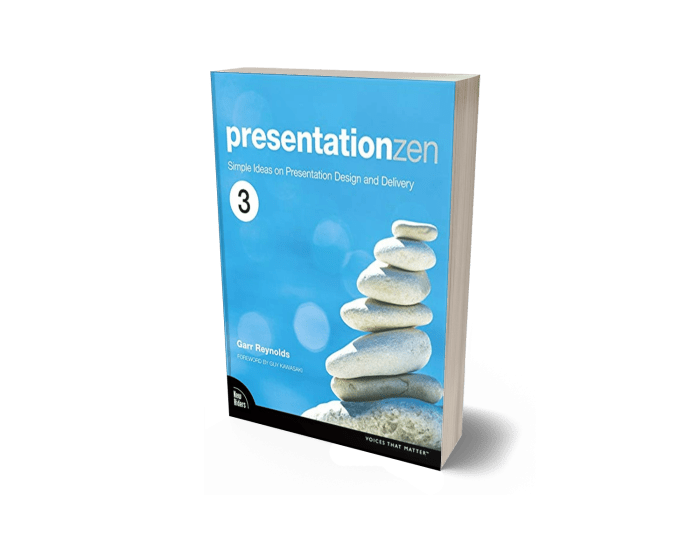
Hold on. You might want to check my list on the best presentation and communication books...
These are crucial books that will help you improve the design and structure of your decks and presentations, besides improving your delivery and skyrocketing your confidence when facing investors. Check them out below.
Business Model
- Revenue Generation: “Revenue will be generated through the sale of residential units, long-term commercial leases, and amenities services. A phased selling approach will be adopted to maximize revenue from property sales, with early bird pricing strategies to stimulate initial demand.”
- Pricing Strategy: “Pricing for residential units will be set at a premium to reflect the quality and exclusivity of the property, yet remain competitive within the market. Commercial lease rates will be aligned with current market rates to attract high-quality tenants.”
- Sales and Leasing Strategy: “We will engage a top-tier real estate sales and marketing firm to manage the sales process, and a commercial leasing agent with a strong track record in the local market to secure retail and commercial tenants.”
- Purpose: The business model should clearly articulate how the project will make money and what strategies will be employed to ensure profitability. It’s important to show investors that there is a well-thought-out plan for generating returns on their investment.
Financial Projections
- Cost Breakdown: “The total development cost for Urban Oasis Residences is estimated at $120 million. This includes land acquisition, construction, marketing, and contingency costs. A detailed cost breakdown will be provided in the appendix.”
- Projected Revenues: “Based on our market analysis and pricing strategy, we project gross revenues from residential sales to be $150 million, with an additional $2 million annually from commercial leases.”
- Cash Flow Projections: “The project is expected to break even in Year 5, with positive cash flows beginning in Year 6. A detailed monthly cash flow projection for the first 5 years is included in the appendix.”
- Key Financial Metrics: “We project an Internal Rate of Return (IRR) of 20%, a Net Present Value (NPV) of $30 million, and a capitalization rate (cap rate) of 6% upon stabilization. A full sensitivity analysis is also provided to illustrate financial resilience under various market conditions.”
- Purpose: The financial projections section is where you demonstrate the profitability and financial attractiveness of the project. It should be detailed and based on realistic assumptions, with clear explanations of how figures were derived.
Investment Structure
- Capital Needed: “We are seeking to raise $50 million in equity to complement $70 million in construction financing already secured from institutional lenders.”
- Minimum Investment: “The minimum investment will be $250,000, targeting accredited investors who are looking for a mix of capital appreciation and income.”
- Ownership Structure: “Investors will receive equity shares in the project proportional to their investment. A waterfall structure will be used to distribute profits, ensuring that investors receive a preferential return before the developer.”
- Exit Strategies: “The primary exit strategy is a sale of the completed development to a real estate investment trust (REIT) or a large institutional investor. Secondary strategies include refinancing and distributing cash flows or individual sales of units.”
- Purpose: This section outlines the terms of the investment, how much money you need, and what investors will get in return. It’s crucial to be transparent and detailed about the structure to build trust and credibility with potential investors.
Use of Funds
- Allocation: “Of the $50 million raised, $30 million will be allocated to construction costs, $10 million to land payments, $5 million to soft costs and marketing, and $5 million as a reserve for contingencies.”
- Timeline: “Funds will be drawn down over a period of 24 months, coinciding with the construction timeline. The first draw will fund the initial construction phase, with subsequent draws linked to project milestones.”
- Cost Controls: “A rigorous cost control system will be implemented, with regular audits by an independent construction cost consultant. Funds will be disbursed from an escrow account controlled by a third-party administrator to ensure accountability.”
- Purpose: The use of funds section should clearly articulate how the investor’s money will be spent. It’s important to show that there is a plan for every dollar invested, and that there are controls in place to manage costs effectively.
Development Team
- Key Team Members: “Our team is led by seasoned professionals with a proven track record in real estate development, finance, and sustainability. John Smith, our CEO, has over 20 years of experience in real estate development and has successfully completed over a dozen high-profile projects.”
- Past Project Successes: “The team’s portfolio includes several award-winning projects, such as the Eco Towers in Green City and the Riverfront Condos in Bay Area. These projects were recognized for their innovative design, environmental sustainability, and strong financial performance.”
- Roles and Responsibilities: “Each team member brings a specialized skill set. Jane Doe, our CFO, oversees financial structuring and risk management, while Mike Ross, our Head of Construction, manages all aspects of the building process to ensure timely and on-budget completion.”
- Purpose: This section is designed to build confidence in the capability and experience of the team behind the project. Highlighting the team’s past successes and relevant expertise is crucial to gaining investor trust.
Risk Analysis
- Identification of Risks: “We have identified several risks associated with this project, including market risk, construction risk, and regulatory risk. Each has been carefully evaluated and addressed in our planning.”
- Mitigation Strategies: “To mitigate market risk, we have conducted extensive market research and have a flexible pricing strategy. Construction risk is managed through fixed-price contracts and performance bonds from reputable contractors. Regulatory risk has been minimized by securing all necessary permits and approvals prior to breaking ground.”
- Ongoing Risk Management: “We will continuously monitor risks throughout the project lifecycle, with a dedicated risk management team responsible for implementing mitigation strategies and adjusting plans as necessary.
- Purpose: The risk analysis section demonstrates to investors that you have thought through potential challenges and have plans in place to address them. It’s important to show that you are proactive and realistic about managing risks.
Legal and Regulatory Compliance
- Zoning and Compliance: “The project is fully compliant with all local zoning and land-use regulations. We have worked closely with city planners and community stakeholders to ensure that our development meets all requirements and enhances the local area.”
- Legal Hurdles: “We have proactively addressed potential legal hurdles, including environmental impact assessments and community consultations. Our legal team includes experts in real estate law who are well-versed in the legal landscape of Metropolis City.”
- Permits and Approvals: “All necessary permits and approvals have been obtained, including building permits, environmental clearances, and utility agreements. Documentation can be provided upon request.”
- Purpose: This section reassures investors that the project is on solid legal ground and unlikely to encounter preventable legal issues. It’s about demonstrating due diligence and the ability to navigate the regulatory landscape effectively.
Sustainability and Community Impact
- Environmental Considerations: “Urban Oasis Residences is designed with the environment in mind. Features include energy-efficient appliances, solar panels, green roofs, and a rainwater harvesting system. We aim for LEED Gold certification upon completion.”
- Community Benefits: “The development will offer several community benefits, including public green spaces, a community center, and retail spaces that prioritize local businesses. We’re also partnering with local art programs to feature public art throughout the property.”
- Economic Impact: “The project is expected to create 200 construction jobs and 50 permanent jobs post-completion. We’re committed to hiring locally and providing job training programs in partnership with community organizations.
- Purpose: This section highlights the project’s positive externalities, such as environmental sustainability and community engagement. It’s important to show investors that the project will have a lasting positive impact, which can also contribute to the project’s success and acceptance.
Testimonials/Case Studies
- Success Stories: “Hear from our satisfied investors and community partners from previous projects. For instance, our recent development, Greenview Complex, saw a 30% increase in value over two years, providing significant returns to our investors.”
- Endorsements: “We have endorsements from city officials, environmental groups, and local business leaders. Quotes and letters of support can be found in the appendix.”
- Case Studies: “We include a case study of our award-winning project, The Atrium, which showcases our innovative approach to combining luxury living with sustainability. The Atrium is now a thriving community and a benchmark for modern developments in the city.”
- Purpose: Testimonials and case studies serve as social proof, demonstrating the team’s experience and ability to deliver successful projects. This section can be particularly persuasive, providing real-world evidence of your team’s previous successes and the positive reception of your projects.
Closing and Call to Action
- Summary: “Urban Oasis Residences represents a unique opportunity to invest in a sustainable, profitable, and socially responsible real estate project. With a strong market demand, an experienced team, and a clear vision, we are poised for success.”
- Next Steps: “To participate in this investment opportunity, we invite you to express your interest by signing a non-binding letter of intent. Following this, we will provide you with a detailed investment memorandum and arrange one-on-one meetings to discuss any questions you may have.”
- Contact Information: “Please reach out to us at your earliest convenience to begin the investment process. You can contact our Project Lead, Jane Doe, directly at [email protected] or via phone at (123) 456-7890.”
- Purpose: The closing slide should reiterate the value proposition and prompt investors to take the next step. It’s a direct appeal to the audience to engage further, providing a clear path for how they can get involved and who to contact to move forward.
Pick a specific pitch deck design from the award winning Envato.
1000’s of ready made Powerpoint, Google Slides, and Keynote presentations that are easy to edit, format and tailor to your idea.
Last Words
Alright, that’s the gist. Investing in real estate is part art, part science, and a lot of planning ahead. You’ve got the vision, the motivation, and now, a killer pitch deck to make it all happen.
If you’re ready to move from “could be” to “should be” in real estate, this template is the first step. With this deck in hand, you’ll be equipped to bring your pitch to life, make the right connections, and start turning potential into real returns. Let’s make some waves in the real estate market—one solid investment at a time.
You got this!
If you want to really dive into the world of pitch decks, check out our complete collection of pitch deck templates.
Related Real Estate Pitch Deck Templates
Check out our massive directory of real estate pitch deck templates. Some of them:
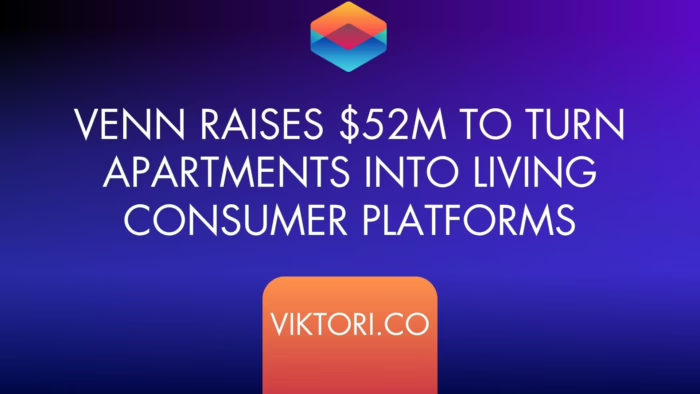
Venn Raises $52M to Turn Apartment Buildings Into Consumer Brands
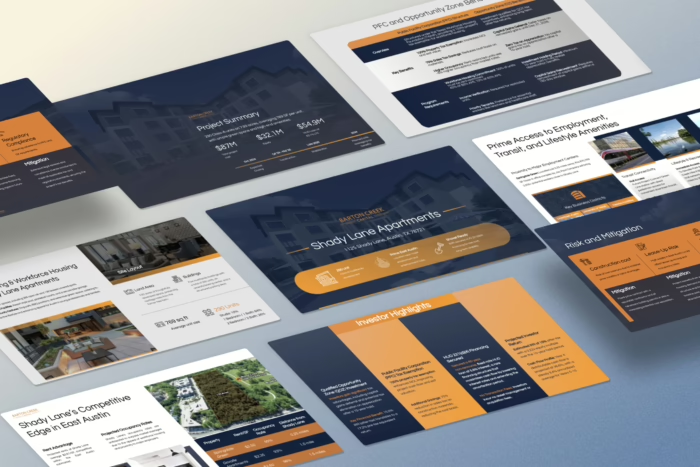
290 Unit Residential Real Estate Pitch Deck Case Study
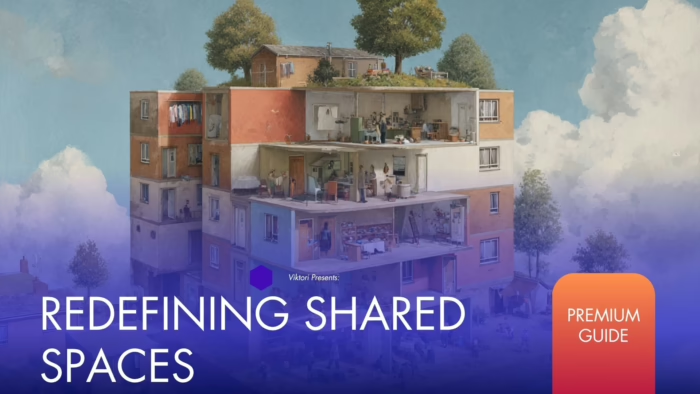
The 12 Slide Community Living Pitch Deck Template

Raise $10mil With This Land Development Pitch Deck Template
Investment Fund Pitch Deck Guide (2026): How LPs Evaluate Capital Allocation
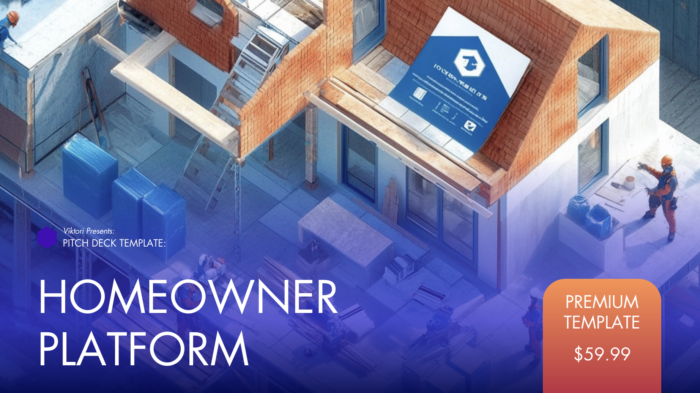
Inside the $5M Pitch Deck Fixing the Broken Home Services Model
Booking a plumber shouldn’t feel like a leap of faith—and yet, the home services industry…
This Deck Raised $10M for an Immersive Local Adventure — See the Template
You’ve got a creative idea for an immersive neighborhood adventure — maybe a live‑role mystery,…
£1.85M Equity Raise With This Rooming House Pitch Deck Template
Ever walked into a rooming house and thought, “I could make this place a goldmine”?…

The Pitch Deck Powering a $5M Raise in PropTech
Let’s face it—managing real estate today is like trying to run a marathon in flip-flops….

The Deck That Helped Platforms Like “Shopify for Real Estate” Raise Capital
You have the vision: a platform that lets real estate brokerages operate like an online…
Raising $10M With a Raw Land Development Pitch Deck
Raw land might look like empty dirt to some—but to smart investors, it’s pure potential….
Inside the $12M Pitch Deck Revitalizing Louisville’s Retail Core
Strip malls are dying—but neighborhood retail isn’t. The next wave of shopping centers blends convenience,…
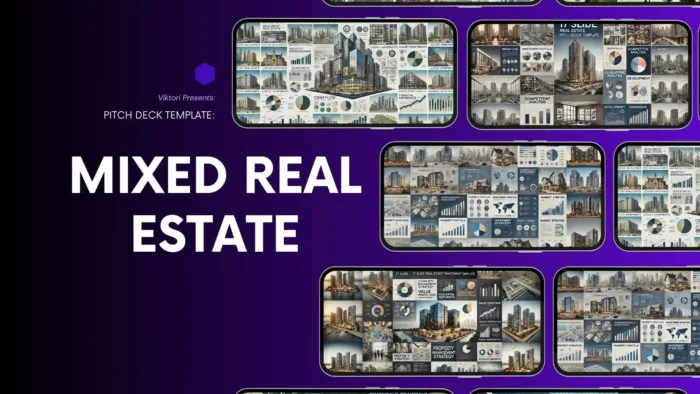
The $25M Deck Behind a High-Yield Urban Mixed-Use Strategy
Mixed-use assets are back in favor—and smart capital knows it. As urban cores densify and…
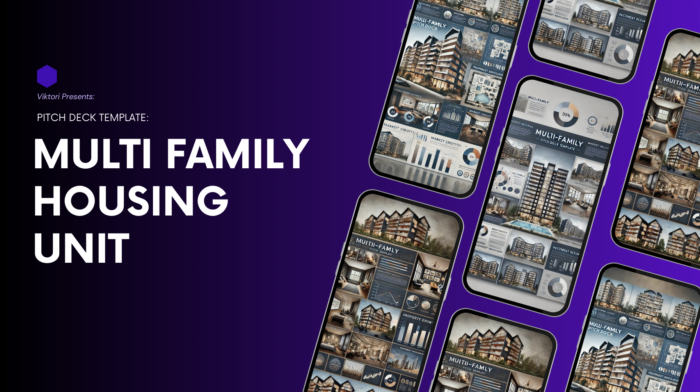
Pitch Deck That Helps Raise $50M for a Multi‑Family Project
Multi-family real estate is one of the most resilient, scalable, and investor-loved asset classes—but raising…
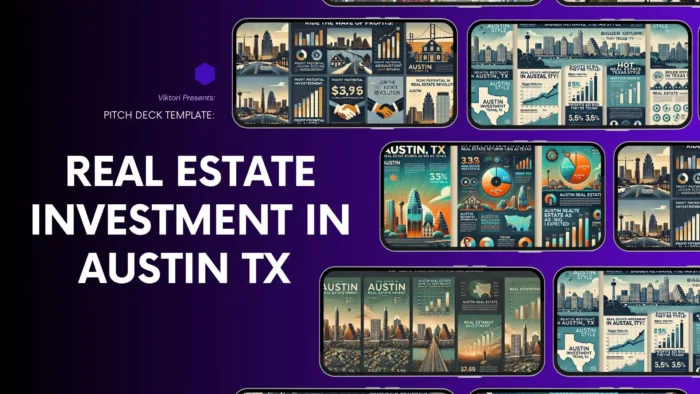
Houston, Meet Your Next Austin Opportunity: Deck Built to Raise $20M
Let’s be real—Austin isn’t just booming; it’s reinventing itself as America’s fastest-growing real estate frontier….
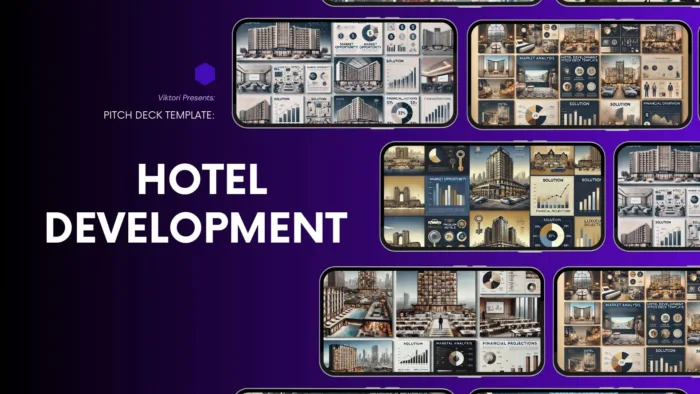
Inside the $50M Hotel Pitch Deck That Blends Luxury & Sustainability
Hotels aren’t just buildings. They’re experiences waiting to be written in stone, steel, and service….
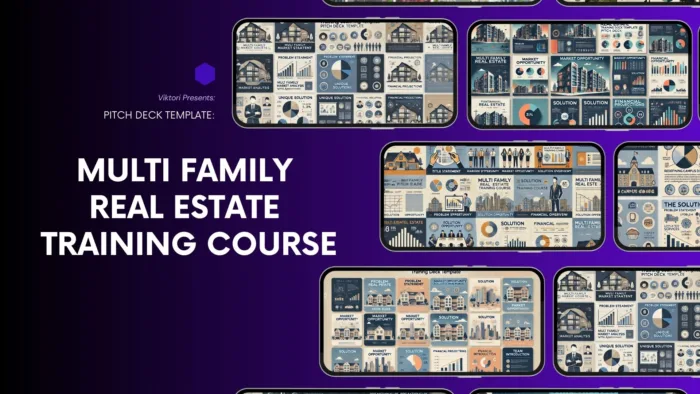
Real Estate Training Course Pitch Deck Template
Let’s get straight to the point: You’re ready to dive into the multifamily real estate…
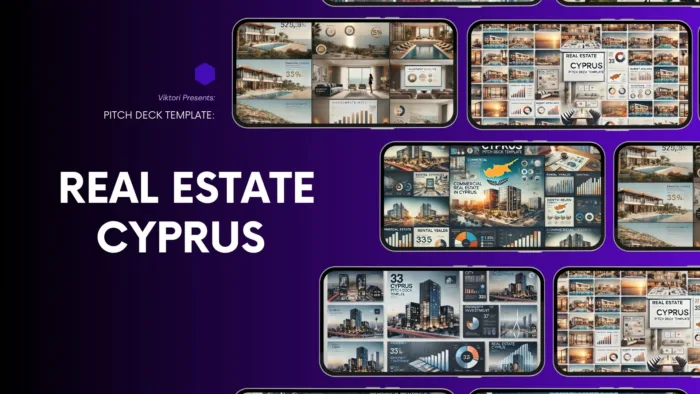
How to Raise $20M for Nicosia Real Estate—Slide by Slide
So, you’re eyeing the Cyprus real estate market—Nicosia, villas, commercial, maybe industrial—and you know there’s…
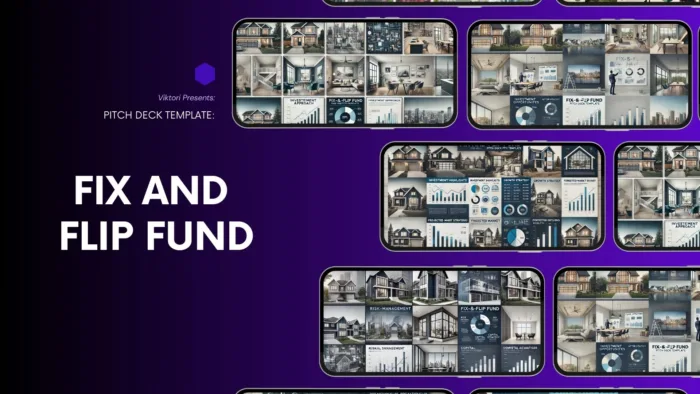
The $15M Fix-and-Flip Fund Deck Investors Actually Paid Attention To
You love flipping houses. You see the opportunity in worn‑down walls, weathered facades, and properties…
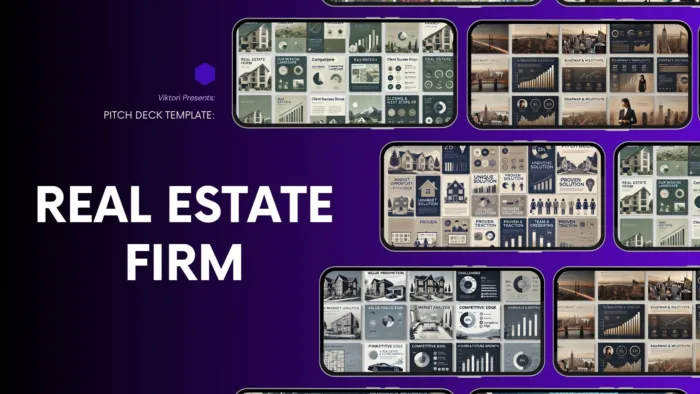
This Real Estate Pitch Deck Template Helps Land $15M in Capital
Let’s be honest—most real estate firm pitch decks either drown investors in detail or leave…
Looking for a step by step guide to build a real estate pitch deck?
Check out our in-depth real estate pitch deck guide. I’m a real estate pitch deck expert that can help you develop a deck for your project. Handsoff.
Check out some of the essential 101 guides:

Burn Rate and Runway in a Pitch Deck: How to Show Investors Survival Math
Burn rate is where a pitch deck stops being brave and starts being accountable. Up…
Financial Projection Slide: How to Show Investors the Numbers Behind the Story
A financial projection slide shows investors how your business could grow over time. It usually…

Revenue Model Slide: How to Show Investors How You Make Money
A revenue model slide explains how your business makes money. That sounds simple, but this…

Use of Funds Slide: How to Show Investors Where the Money Goes
Use Of Funds Slide Quick Summary A use of funds slide explains how the capital…

Top Pitch Deck Design Agencies for Investor-Ready Presentations
Quick Summary A pitch deck design agency helps startups turn complex business ideas into clear,…

How to Create a High-Impact Investment Highlights Slide For Your Pitch Deck
An investment highlights slide is often the moment in a pitch deck when investors decide…
