


Let’s get straight to it. Ideas for mixed‑use lifestyle centers pop up every day—but most of them don’t get funding. Why? Because the vision isn’t backed by a deck that shows how it works in real life.
This template is built from the bones of a pitch that actually helped raise real capital. It’s not fluff. It shows you how to present your lifestyle center: location, design, revenue model, financials, and turnaround story — in a way investors get.
I’m Viktor, a pitch deck designer and a creative business strategist. Over the past 13 years, I’ve helped businesses secure millions of $ in funding thanks to my approach and I’m sharing it here in this pitch deck guide.
If you’ve got a mixed‑use project in mind—retail, dining, green space, gathering places—this is your shortcut to a deck that doesn’t just speak, but sells.
Fresh Case Study: Check out how we helped Cranwood Enterprises build a pitch deck for their senior living luxury real estate venture.
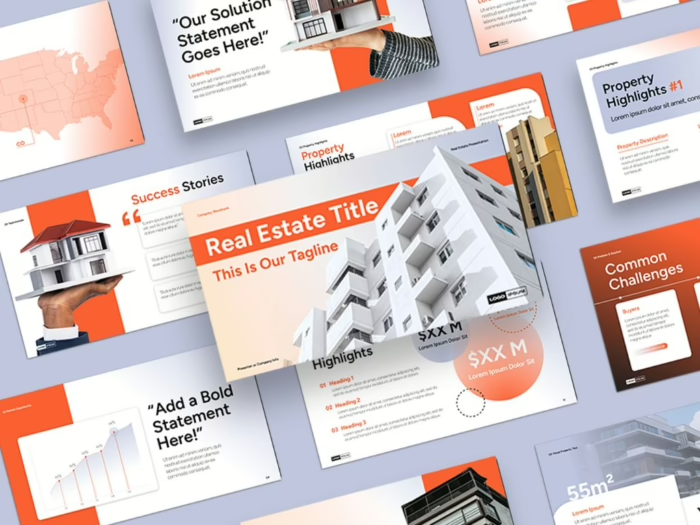
Here’s the 12-slide real estate template that’s helped raise $500M+:
- Built by a certified real estate pitch deck expert
- Investor-ready design, plug-and-play content.
Fully editable Powerpoint and Google Slides files. Get it while it’s available for a promo price of just $44.
12 Slide Multi-tenant Mixed-use Lifestyle Center Pitch Deck Template
1. Cover Slide
- Project Name: “Central Park Commons”
- Image: A high-resolution artistic rendering of the lifestyle center, showcasing vibrant retail spaces, diners, and the central park, emphasizing an inviting atmosphere.
- Logo: Include the logo of your company prominently to associate the project with your brand.
2. Introduction Slide
- Introduction:
- Brief history of the firm emphasizing years of experience and major successful projects.
- Mention notable awards or recognitions to build credibility.
- Overview of the Lifestyle Center Concept:
- Describe the project as a “vibrant, modern lifestyle hub combining leisure, retail, and culinary delights centered around a beautifully landscaped park.”
3. Vision and Objective
- Vision Statement:
- “To create a community-focused lifestyle destination that enhances the quality of life and becomes a model for sustainable, integrated living spaces.”
- Objectives:
- Drive local and regional traffic, enhancing economic growth.
- Establish a social and cultural hub that promotes community engagement and activities.
- Offer a diverse mix of retail and dining that caters to all demographics.
4. Location Analysis
- Map and Location:
- A clear map pinpointing the location with key landmarks and accessibility routes highlighted.
- Demographics:
- Key statistics on local population age, income levels, and lifestyle preferences.
- Foot traffic data from similar areas or projections based on comparable locations.
- Accessibility and Visibility:
- Discuss proximity to major highways, public transportation options, and parking availability.
- Visibility from major roads and footpaths.
5. Design Concept
- Initial Sketches/Concept Art:
- Present a few slides of high-quality architectural renderings showing different angles and elements of the lifestyle center.
- Include images during the day and night to showcase lighting and ambiance.
- Architectural Philosophy:
- Discuss how your design philosophy of blending functionality with aesthetic appeal is applied in this project.
- Highlight sustainable materials and innovative design elements like green roofs, natural lighting, and energy-efficient building systems.
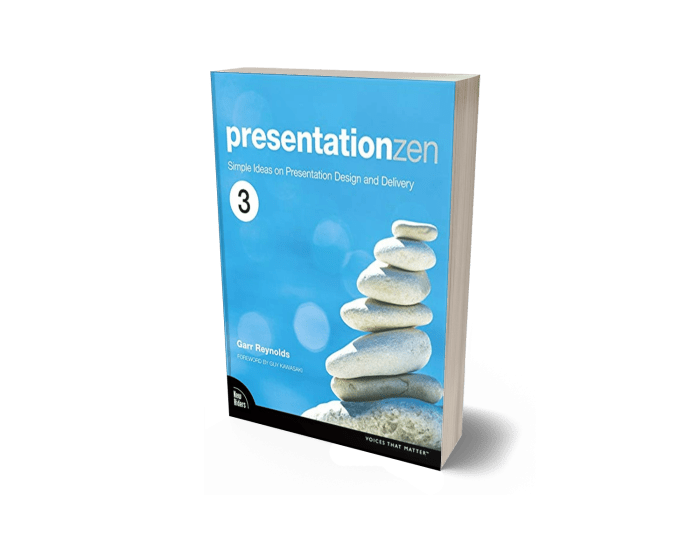
Hold on. You might want to check my list on the best presentation and communication books...
These are crucial books that will help you improve the design and structure of your decks and presentations, besides improving your delivery and skyrocketing your confidence when facing investors. Check them out below.
6. Tenant Mix Strategy
- Categories of Retail and Dining Options:
- Graphs or charts showing the percentage breakdown of retail types (apparel, electronics, home goods, etc.) and dining (fast casual, fine dining, cafes).
- Anchor Tenants and Niche Players:
- Announce any already committed anchor tenants.
- Mention a mix of high-demand retail brands and unique, local artisan shops.
- Mix of Local vs National Brands:
- Discuss the strategy for balancing well-known brands with local businesses to attract a broad customer base and support the local economy.
7. Centerpiece Park
- Design and Features:
- Show detailed renderings of the park, highlighting features such as walking trails, seating areas, a central fountain, and performance stages.
- Mention environmentally friendly aspects like native plants and water-efficient irrigation systems.
- Integration with Retail and Dining Areas:
- Explain how the park is designed to flow seamlessly with surrounding retail spaces, encouraging foot traffic and spontaneous visits.
- Include visual flow diagrams or sightlines in the design to demonstrate the easy access between the park and other facilities.
- Community Activities and Events:
- List potential events like weekend farmers markets, outdoor concerts, and movie nights.
- Discuss spaces designated for community gatherings and social events, enhancing the center’s role as a community hub.
8. Sustainability and Technology
- Green Building Techniques:
- Detail the use of sustainable materials and construction methods, such as recycled building materials and low-energy building systems.
- Mention certifications the project is aiming for, like LEED or WELL.
- Smart Technology Integrations:
- Describe technological implementations like smart lighting, energy management systems, and interactive digital directories.
- Highlight the use of technology in enhancing security and customer experience, such as WiFi hotspots, mobile app integrations for parking and navigation.
9. Financial Overview
- Projected Costs and Funding Sources:
- Provide a breakdown of estimated development costs, including land acquisition, construction, and marketing.
- Outline the funding strategy, showing the mix of equity investment, loans, and any government grants or incentives.
- Revenue Models:
- Explain different revenue streams: direct leases, percentage rents from retailers, event space rentals.
- Show projected revenue graphs over the first five years.
- Break-even Analysis and ROI Projections:
- Display a timeline to break-even point and discuss return on investment projections based on conservative, realistic, and optimistic scenarios.
10. Market Analysis and Potential
- Competitive Landscape:
- Provide an analysis of existing similar venues within the region and their strengths and weaknesses.
- Explain how “Central Park Commons” differentiates itself in the market.
- Demand Assessment:
- Detail the expected demand for retail and restaurant space based on current market trends and demographic studies.
- Mention any surveys or market research done to validate the demand.
- Consumer Base and Spending Power:
- Share insights into the local consumer base, including spending habits and lifestyle preferences.
- Discuss the strategic marketing plan to attract these consumers to the lifestyle center.
11. Timeline and Phases
- Key Milestones:
- Timeline infographic from groundbreaking to grand opening.
- Highlight important milestones such as completion of infrastructure, major tenant signings, and phases of public opening.
- Development Phases:
- Describe each phase of development in detail, including what will be developed, expected outcomes, and goals for each phase.
- Show visual progress maps or phase diagrams.
12. Closing Slide
- Call to Action:
- Encourage potential investors and partners to join the project, highlighting any immediate opportunities such as naming rights or specific investment tiers.
- Mention contact details for follow-up discussions and private briefings.
- Thank You Note and Next Steps:
- Express gratitude for the audience’s time and interest.
- Lay out the next steps, such as scheduled site visits, detailed discussions, or upcoming investment rounds.
Pick a specific pitch deck design from the award winning Envato.
1000’s of ready made Powerpoint, Google Slides, and Keynote presentations that are easy to edit, format and tailor to your idea.
Last Words
There you have it — a full roadmap to build a pitch slide deck that cuts through the noise and gets investors nodding yes.
If it fits your project closely, excellent. Take it, customize it, and pitch with confidence. And if your center has unique features or market challenges that don’t match exactly, I’d be happy to help tailor it into something that hits your specific goals — and maximizes your raise.
Get an investor ready pitch deck that gets you funded and saves over 30 hours of your time.
Join 100s of successful entrepreneurs who’ve transformed their pitch decks by using my hands-off approach, which includes: market research, copy, design, financials, narrative and strategy.
1 week turnaround time and less. Special pricing for early stage companies.
The least you will get on this call is 10 actionable tips & strategies to own that next pitch, worth $599, for free.
If you want to really dive into the world of pitch decks, check out our complete collection of pitch deck templates.
Related Real Estate Pitch Deck Templates
Check out our massive directory of real estate pitch deck templates. Some of them:
Venn Raises $52M to Turn Apartment Buildings Into Consumer Brands
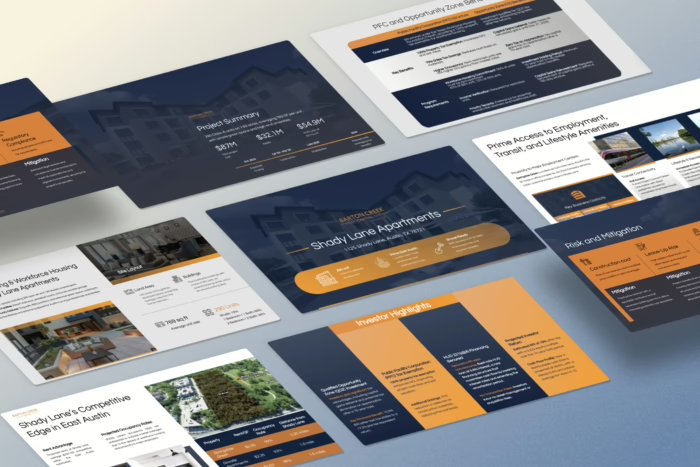
290 Unit Residential Real Estate Pitch Deck Case Study
The 12 Slide Community Living Pitch Deck Template

Raise $10mil With This Land Development Pitch Deck Template

Investment Fund Pitch Deck Guide (2026): How LPs Evaluate Capital Allocation
Inside the $5M Pitch Deck Fixing the Broken Home Services Model
Booking a plumber shouldn’t feel like a leap of faith—and yet, the home services industry…
This Deck Raised $10M for an Immersive Local Adventure — See the Template
You’ve got a creative idea for an immersive neighborhood adventure — maybe a live‑role mystery,…
£1.85M Equity Raise With This Rooming House Pitch Deck Template
Ever walked into a rooming house and thought, “I could make this place a goldmine”?…

The Pitch Deck Powering a $5M Raise in PropTech
Let’s face it—managing real estate today is like trying to run a marathon in flip-flops….
The Deck That Helped Platforms Like “Shopify for Real Estate” Raise Capital
You have the vision: a platform that lets real estate brokerages operate like an online…
Raising $10M With a Raw Land Development Pitch Deck
Raw land might look like empty dirt to some—but to smart investors, it’s pure potential….
Inside the $12M Pitch Deck Revitalizing Louisville’s Retail Core
Strip malls are dying—but neighborhood retail isn’t. The next wave of shopping centers blends convenience,…
The $25M Deck Behind a High-Yield Urban Mixed-Use Strategy
Mixed-use assets are back in favor—and smart capital knows it. As urban cores densify and…
Pitch Deck That Helps Raise $50M for a Multi‑Family Project
Multi-family real estate is one of the most resilient, scalable, and investor-loved asset classes—but raising…
Houston, Meet Your Next Austin Opportunity: Deck Built to Raise $20M
Let’s be real—Austin isn’t just booming; it’s reinventing itself as America’s fastest-growing real estate frontier….
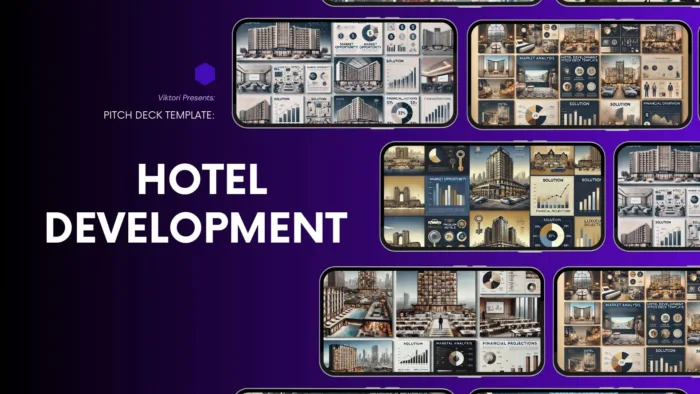
Inside the $50M Hotel Pitch Deck That Blends Luxury & Sustainability
Hotels aren’t just buildings. They’re experiences waiting to be written in stone, steel, and service….
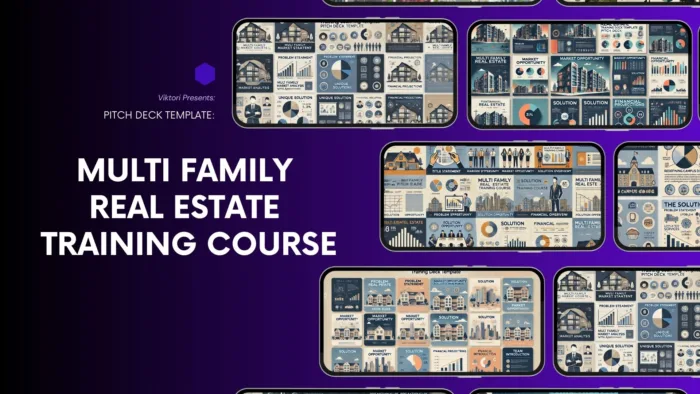
Real Estate Training Course Pitch Deck Template
Let’s get straight to the point: You’re ready to dive into the multifamily real estate…
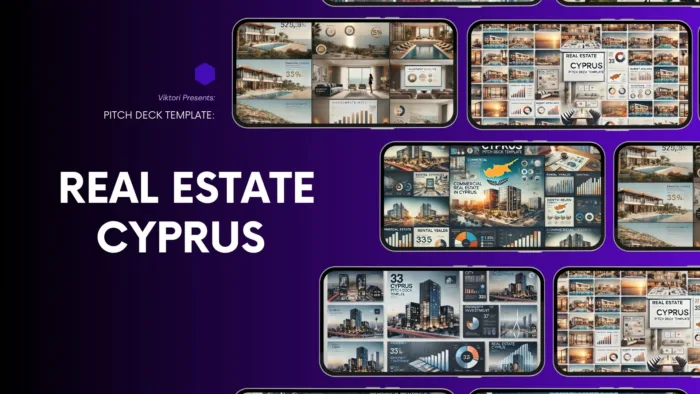
How to Raise $20M for Nicosia Real Estate—Slide by Slide
So, you’re eyeing the Cyprus real estate market—Nicosia, villas, commercial, maybe industrial—and you know there’s…
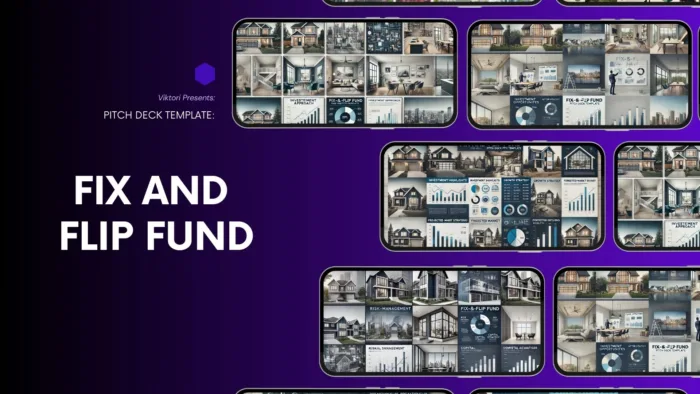
The $15M Fix-and-Flip Fund Deck Investors Actually Paid Attention To
You love flipping houses. You see the opportunity in worn‑down walls, weathered facades, and properties…
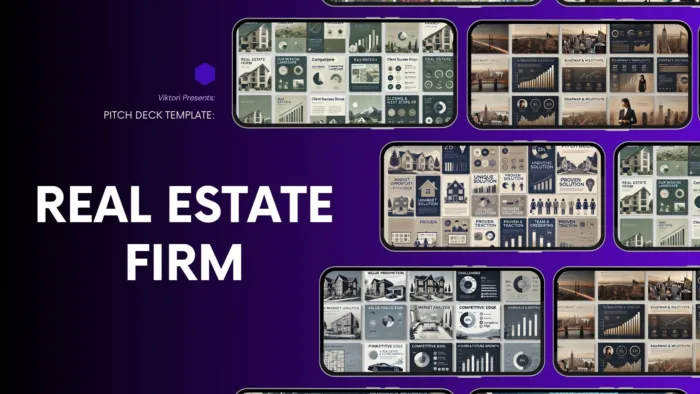
This Real Estate Pitch Deck Template Helps Land $15M in Capital
Let’s be honest—most real estate firm pitch decks either drown investors in detail or leave…
Looking for a step by step guide to build a real estate pitch deck?
Check out our in-depth real estate pitch deck guide. I’m a real estate pitch deck expert that can help you develop a deck for your project. Handsoff.
Check out some of the essential 101 guides:

Burn Rate and Runway in a Pitch Deck: How to Show Investors Survival Math
Burn rate is where a pitch deck stops being brave and starts being accountable. Up…
Financial Projection Slide: How to Show Investors the Numbers Behind the Story
A financial projection slide shows investors how your business could grow over time. It usually…

Revenue Model Slide: How to Show Investors How You Make Money
A revenue model slide explains how your business makes money. That sounds simple, but this…

Use of Funds Slide: How to Show Investors Where the Money Goes
Use Of Funds Slide Quick Summary A use of funds slide explains how the capital…
Top Pitch Deck Design Agencies for Investor-Ready Presentations
Quick Summary A pitch deck design agency helps startups turn complex business ideas into clear,…

How to Create a High-Impact Investment Highlights Slide For Your Pitch Deck
An investment highlights slide is often the moment in a pitch deck when investors decide…
