


Are you passionate about bringing history to life through film? Our expertly crafted history doc pitch deck template is your key to capturing the essence of your historical narrative and presenting it compellingly to potential backers. Whether you’re a seasoned filmmaker or stepping into the world of documentaries for the first time, this guide is designed to streamline your creative process.
I’m Viktor, a pitch deck designer and a creative business strategist. Over the past 13 years, I’ve helped businesses secure millions of $ in funding thanks to my approach and I’m sharing it here in this pitch deck guide.
Let’s check the template out.

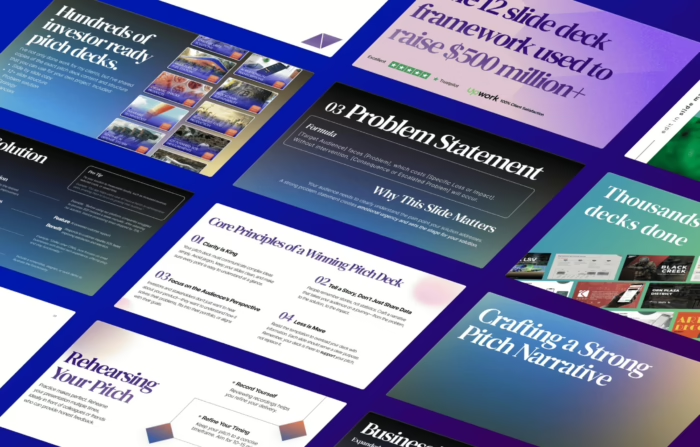
Get My 12 Slide Framework That Got $500mil in Funding For Clients.
What do you think of having 12 dead simple formulas, that will help you craft 12 slides, in about 1 hour? That’s what you’ll get, when you download my 12 slide framework. Save hours crafting your pitch deck copy with my tested approach that includes:
- Elevator pitch one sentence formula
- Problem/ solution slide one sentence formula
- Competitor slide one sentence formula
- 9 other formulas, tips, tricks and advice
The formulas worked for 40+ industries and 500+ companies. Including the one you’re looking at now.
Clicking the link won’t charge you anything.
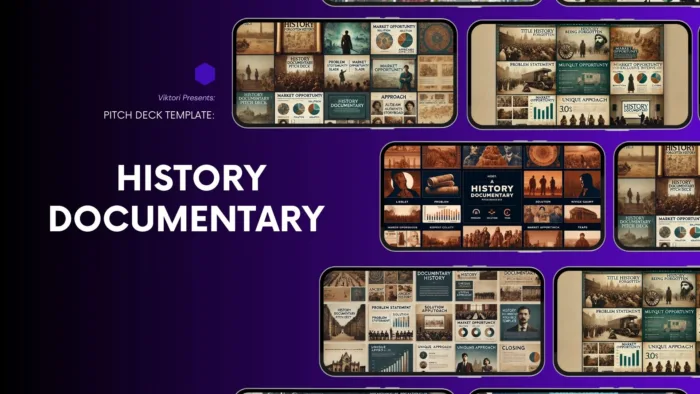
15 Slide History Doc Pitch Deck Template | Google Slides
The above is is just a simplified template.
Founders that are serious about getting the funding they need, opt in for a deck has industry specific content, superb narrative and award winning design like these ones below:


I can help you build that deck with my hands-off process in 7 days or less.
Book a free 30 minute call below if you’re serious about getting an investor ready deck, and we’ll discuss your needs in detail. I’ll help you design the deck, write the content, develop the narrative and flesh out the strategy with financials.


Follow us on social for the newest templates:
Title Slide
- Documentary Title: “Echoes of the Past: A Journey Through History”
- Your Name/Production Company: [Your Name], [Production Company Name]
- Contact Information: Email, Phone Number, Website
- Visual Elements: An evocative image relevant to the documentary’s theme, such as an iconic historical artifact or landscape, with the title prominently displayed. This slide sets the tone for the entire presentation.
Introduction Slide
- Overview: “Echoes of the Past” unravels the untold stories of [specific historical event/era]. This documentary will take the audience on a captivating journey through time, shedding light on how these events shaped our world.
- Unique Angle: Unlike traditional historical documentaries, “Echoes of the Past” will combine rare archival footage with cutting-edge virtual reality recreations, offering an immersive experience that brings history to life.
- Visuals: Include a collage of images or a short video clip that gives a glimpse into the documentary’s style and content.
Subject and Relevance
- Historical Subject: Dive deeper into the specific historical subject, such as the [specific event/era]. Include fascinating details or lesser-known facts to pique interest.
- Significance: Discuss the subject’s impact on modern society and culture. Explain why understanding this part of history is crucial for contemporary audiences.
- Timeliness: Address why this story is particularly relevant now. This could be due to anniversaries, recent discoveries, or parallels with current events.
- Visuals: Use impactful imagery or infographics to highlight the historical significance and contemporary relevance of the subject.
Objectives and Goals
- Aim of the Documentary: State your primary objective, whether it’s to educate, challenge common perceptions, or bring attention to a neglected part of history.
- Expected Impact: Describe the desired outcome, such as sparking discussions, influencing perspectives, or contributing to academic research.
- Measurable Goals: Include specific targets, like reaching a certain number of viewers, being featured in film festivals, or being used as educational material in schools.
- Visuals: This slide might include a short clip or imagery that conveys the emotional or intellectual impact of the documentary.
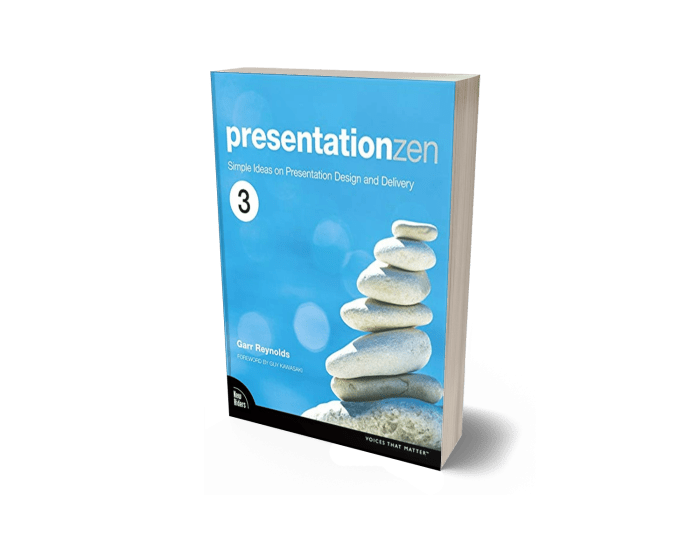
Hold on. You might want to check my list on the best presentation and communication books...
These are crucial books that will help you improve the design and structure of your decks and presentations, besides improving your delivery and skyrocketing your confidence when facing investors. Check them out below.
Target Audience
- Primary Audience: History enthusiasts, students, and educators with a keen interest in [specific historical period or event]. Also, viewers who appreciate innovative storytelling in documentaries.
- Secondary Audience: General viewers who enjoy educational content, cultural explorers, and subscribers of streaming platforms known for documentaries.
- Appeal Factors: Explain how the documentary’s unique approach, such as the use of virtual reality or interactive elements, will attract a tech-savvy audience. Also, how the compelling storytelling and historical insights will engage a broader viewership.
- Visuals: Demographic charts, viewer personas, or snapshots of potential audience interactions on social media platforms, illustrating the documentary’s potential reach and appeal.
Synopsis and Storyline
- Synopsis: A compelling summary that outlines the narrative arc of the documentary. For example, “Beginning with the early rumblings of [historical event], ‘Echoes of the Past’ uncovers the hidden stories and pivotal moments that defined this era.”
- Key Events: Highlight significant events or turning points that will be covered, providing a chronological or thematic structure to the story.
- Characters: If applicable, introduce key historical figures or present-day experts who will guide the narrative.
- Visuals: Use storyboard sketches, timelines, or key images that convey the storyline’s flow and thematic elements.
Visual Style and Tone
- Visual Approach: Describe the documentary’s visual style, such as the use of archival footage, reenactments, interviews, animations, or virtual reality experiences.
- Tone: Discuss the intended tone – whether it’s educational, investigative, dramatic, or a blend. Explain how this tone is suitable for the subject matter and appealing to the target audience.
- Cinematography: Briefly touch on the cinematography style – whether it’s more cinematic, raw and authentic, or stylized.
- Visuals: Provide mood boards, sample frames, or a short demo reel that showcases the visual style and tone of the documentary.
Research and Content
- Research Completed: Detail the extent of research already done. This could include primary source materials, interviews with experts, and on-location investigations.
- Exclusive Access: Highlight any unique content or exclusive access you have secured, such as rare archival footage, exclusive interviews, or access to restricted locations.
- Content Highlights: Provide examples of compelling findings or narratives that have emerged from your research.
- Visuals: Include images of key documents, photographs from site visits, or clips from interviews to give a taste of the rich content the documentary will offer.
Production Plan
- Timeline: Outline the key phases of the documentary’s production, including pre-production (research, scripting), production (filming, interviews), and post-production (editing, sound design). Provide estimated dates or durations for each phase.
- Key Locations: List the primary locations where filming will take place and why they are significant to the documentary. This could include historical sites, archives, or interview locations.
- Production Requirements: Detail any special production needs, such as specific equipment for filming, travel requirements, or permissions needed for certain locations.
- Visuals: Include a timeline graphic, maps showing filming locations, or photos of key sites to visually represent the production plan.
Budget Overview
- High-Level Budget: Present an overview of the total budget required for the documentary, highlighting the major cost areas such as research, filming, equipment, crew, post-production, and marketing.
- Cost Breakdown: Offer a detailed breakdown of the budget, showing how funds will be allocated across different aspects of production. This helps potential investors understand how their money will be used.
- Funding Already Secured: If applicable, mention any funding already secured and how it’s been allocated.
- Visuals: Use charts or graphs to illustrate the budget breakdown, making the financial information easy to digest and visually appealing.
Marketing and Distribution Strategy
- Marketing Plan: Outline your strategy for marketing the documentary, which may include film festivals, social media campaigns, partnerships with educational institutions, and press releases.
- Distribution Channels: Identify potential distribution channels, such as streaming services, television networks, educational platforms, or cinema releases. Discuss any preliminary contacts or negotiations, if applicable.
- Audience Engagement: Describe how you plan to engage with your audience, perhaps through interactive online platforms, Q&A sessions with the production team, or educational materials related to the documentary.
- Visuals: Mock-ups of marketing materials, a map showing potential film festival locations, or a diagram of the distribution strategy can be effective here.
Team and Key Personnel
- Team Bios: Introduce the key members of your team, including their roles and brief bios. Highlight their relevant experience, past successful projects, or any awards and recognitions they’ve received.
- Advisory Board or Consultants: If you have an advisory board or consultants (such as historians or subject matter experts), mention them and explain their contributions.
- Roles and Responsibilities: Clarify the roles and responsibilities of each team member within the project, showing that you have a capable and well-rounded team.
- Visuals: Include headshots or creative representations of team members, along with short bios or relevant accolades.
Support and Endorsements
- Current Support: List any organizations, institutions, or notable individuals who have already shown support for your documentary. This could include financial backers, historical societies, educational institutions, or well-known figures in the field of history or filmmaking.
- Endorsements: Highlight any endorsements or positive statements you’ve received about your project. These can add significant credibility and attract further interest.
- Partnerships: If you’ve formed partnerships with any organizations for research, distribution, or funding, detail these and explain how they contribute to the project’s success.
- Visuals: Logos of partnering organizations, quotes from endorsements, or photos of key supporters can be included to visually emphasize the support your project has garnered.
Call to Action
- Specific Requests: Clearly state what you are seeking from your audience. This could be funding, distribution agreements, media coverage, or partnerships. Be specific about the type of support you need and what it will be used for.
- Next Steps: Outline the immediate next steps you want interested parties to take. This could be setting up a meeting, visiting a website for more information, or joining a mailing list for updates.
- Contact Information: Reiterate your contact information, making it easy for interested parties to reach out.
- Visuals: This slide might have a bold, clear call to action, possibly with an eye-catching graphic or a simple, clean layout to avoid distractions.
Closing Slide
- Thank You Note: A brief message thanking the audience for their time and consideration. This helps end your presentation on a polite and positive note.
- Reminder of Documentary Title and Contact Information: Reiterate the title of your documentary and your contact information. This ensures that the last thing your audience sees is a reminder of what they’ve just learned about and how to reach you.
- Visuals: A final, memorable image related to your documentary or a simple, elegant graphic that leaves a lasting impression.
Pick a specific pitch deck design from the award winning Envato.
1000’s of ready made Powerpoint, Google Slides, and Keynote presentations that are easy to edit, format and tailor to your idea.
Last Words
Our template is designed to guide you through every step of the pitch process. From capturing the essence of historical events to presenting a clear and compelling narrative, this tool is tailored for success.
You got this!
If you want to really dive into the world of pitch decks, check out our complete collection of pitch deck templates.
Related Documentary Pitch Deck Resources
Check out our massive directory of pitch deck templates, or the following related templates:
Style and Culture Doc Pitch Deck Template
So, you’ve got this idea for a documentary on style and culture. You’ve been living…
12 Slide Women’s Rights Documentary Pitch Deck Template
So, you’ve got this idea—an epic quest, Kate’s Quest, that’s got everything: captivating characters, mind-bending…
12 Slide Wildlife Stories Pitch Deck Template
You’ve spent months, maybe even years, capturing the raw beauty of nature—those once-in-a-lifetime moments that…
15 Slide Tennis Documentary Pitch Deck Template
Alright, let’s set the stage. You’re about to present something special—a documentary that dives deep…
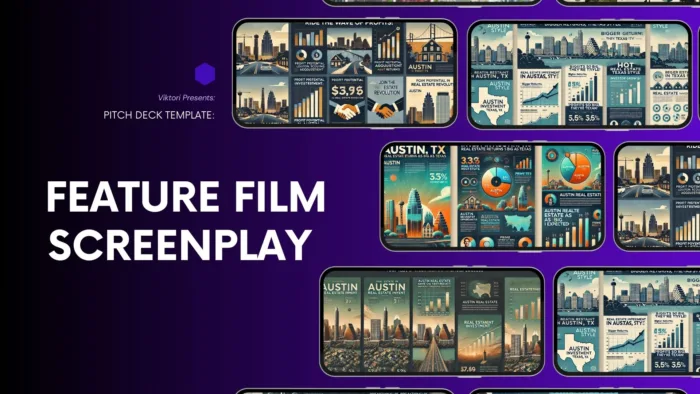
18 Slide Blockbuster Screenplay Pitch Deck Template
Alright, let’s get into the holiday spirit. You’ve got a magical Christmas adventure on your…
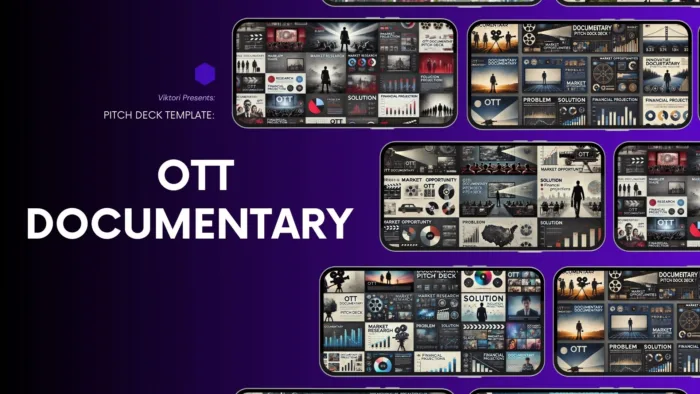
16 Slide OTT Documentary Pitch Deck Template
Let’s cut to the chase: You’ve got a series that’s ready to captivate audiences, and…
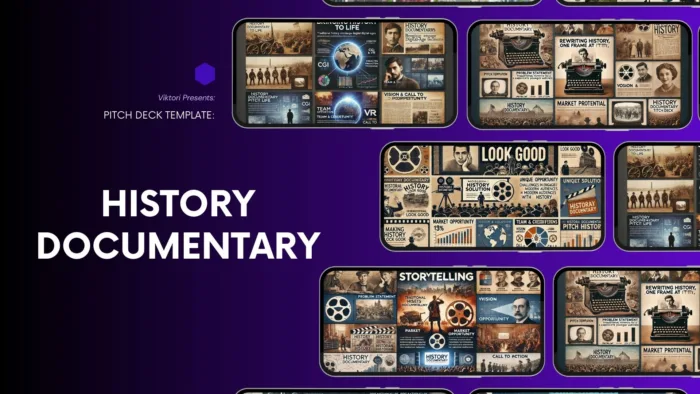
15 Slide History Doc Pitch Deck Template
Are you passionate about bringing history to life through film? Our expertly crafted history doc…
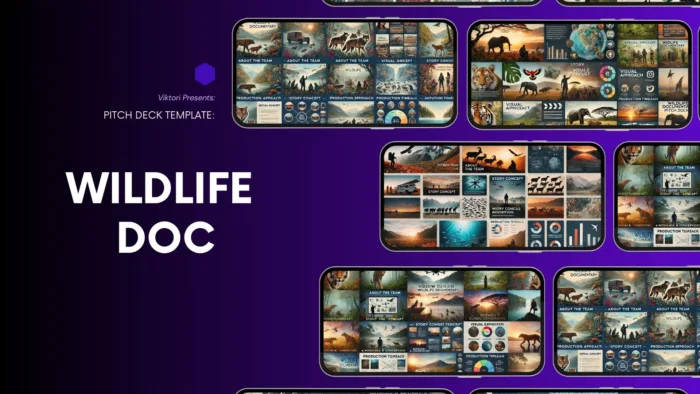
10 Slide Wildlife Doc Pitch Deck Template
So, you’re dreaming of becoming the next David Attenborough or hoping to film the “Game…
12 Slide History Doc Pitch Deck Template | Google Slides
So, you’re thinking of making history—not just with your startup but with how you tell…

12 Slide Documentary Pitch Deck Template
Author: ViktorPitch Deck & Fundraising Consultant. Ex Advertising. Founder of Viktori. $500mill In Funding. Bald…
Looking for a step by step guide to build a documentary pitch deck?
Check out our in-depth documentary pitch deck guide.
Check out some of the essential 101 guides:

Burn Rate and Runway in a Pitch Deck: How to Show Investors Survival Math
Burn rate is where a pitch deck stops being brave and starts being accountable. Up…
Financial Projection Slide: How to Show Investors the Numbers Behind the Story
A financial projection slide shows investors how your business could grow over time. It usually…

Revenue Model Slide: How to Show Investors How You Make Money
A revenue model slide explains how your business makes money. That sounds simple, but this…

Use of Funds Slide: How to Show Investors Where the Money Goes
Use Of Funds Slide Quick Summary A use of funds slide explains how the capital…

Top Pitch Deck Design Agencies for Investor-Ready Presentations
Quick Summary A pitch deck design agency helps startups turn complex business ideas into clear,…

How to Create a High-Impact Investment Highlights Slide For Your Pitch Deck
An investment highlights slide is often the moment in a pitch deck when investors decide…
